
When a garage door remote works sometimes, the way it fails is often the clearest clue to the cause. Some patterns point to simple issues like weak signal or interference, while others indicate garage door repair may be needed to restore consistent operation. A remote that only responds up close often suggests range or receiver sensitivity concerns, while a remote that opens but struggles to close can signal a photo eye or safety condition.
Time-of-day failures may relate to temperature effects or scheduled devices creating interference. If the wall button works consistently but the remote does not, the opener may not be receiving the signal reliably due to lock mode, interference, antenna issues, or receiver trouble. Stick to basic observation and visible checks, and leave springs, cables, tracks, and opener electronics to a qualified professional.
Start With The Pattern, Not The Part
“Works sometimes” can mean very different things. Before replacing parts or resetting the opener, focus on what is consistent about the failure.
Look for patterns like:
- It fails only when closing
- It fails only at a distance
- The wall button works, but the remote does not
- It works at certain times of day
- The door starts moving, then reverses
If you want a complete walkthrough of common causes and safe checks from start to finish, read Garage Door Remote Works Sometimes? Common Causes and Quick Checks.
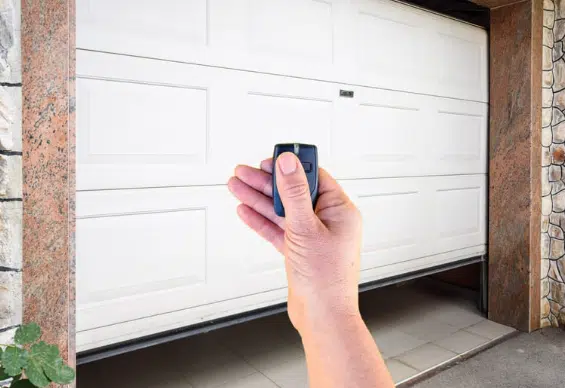
The Remote Works Up Close But Not From The Driveway
This is one of the clearest patterns because it almost always points to signal strength.
What it often indicates
- Weak remote battery
- Interference from LED bulbs or nearby electronics
- Antenna placement issues
- Receiver sensitivity starting to fade
Safe checks
- Replace the remote battery first.
- Test with the garage lights turned off.
- Step outside the vehicle and test from the same distance.
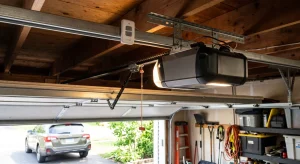
- Confirm the opener antenna wire is hanging straight down.
If you want a deeper explanation of why the signal weakens and what affects range, read Why Garage Door Remotes Lose Signal or Range.
The Remote Works In The Morning But Fails Later
Time-based behavior is a strong diagnostic clue.
What it often indicates
- A device on a timer is creating interference
- Signal congestion at certain times
- Temperature changes affecting a weak battery
- A control board acting differently as it warms up
Safe checks
- Note the exact time window when it fails.
- Test with garage lights off during that same window.
- Temporarily unplug nearby electronics and re-test.
In areas like Niles, where garages often contain extra chargers and Wi-Fi equipment, added electronics can quietly affect signal consistency.
The Remote Opens The Door, But Closing Is Inconsistent
When opening works, but closing does not, the issue often involves the safety system rather than the remote signal.
What it often indicates
- Dirty or misaligned photo eye sensors
- Something is blocking the safety beam
- Door resistance during closing
- An obstruction detection response
Safe checks
- Gently wipe the photo eye lenses.
- Confirm that both sensors face each other.
- Watch whether the door reverses at the same spot each time.
In winter conditions around Niles, salt dust and moisture near the garage floor can easily affect sensor alignment.
Angi breaks down the most common reasons a remote won’t respond consistently, including battery strength, sensor issues, and signal obstacles that can mimic a remote failure.
The Wall Button Works But The Remote Does Not
This pattern separates signal issues from mechanical issues.
What it often indicates
- Weak or worn remote
- Lock mode is enabled on the wall console
- Interference near the opener
- Receiver or control board concerns
Safe checks
- Check for lock mode on the wall console.
- Test a second remote.
- Test with garage lights off.
If multiple remotes behave the same way while the wall button works normally, attention shifts to the receiver.
One Remote Works But Another Does Not
When one remote is reliable, and another is not, the garage door opener is usually not the problem.
What it often indicates
- Worn internal button contacts
- Battery seating issues
- Incomplete pairing
Safe checks
- Replace the battery in the failing remote.
- Reprogram the failing remote.
If the issue stays with that single remote, replacement is often the simplest solution.
The Keypad Works But The Remote Does Not
This usually points to a handheld signal or battery issue rather than a full opener failure.
What it often indicates
- Weak remote battery
- Remote wear
- Vehicle-related signal blocking
- Mild interference
Safe checks
- Test the remote outside the vehicle.
- Replace the remote battery.
- Test performance with garage lights off.
If both the keypad and the remote struggle, the issue may involve interference or receiver sensitivity.
The Remote Light Turns On, But Nothing Happens
A lit LED does not mean a strong signal.
What it often indicates
- Weak battery still powering the light
- Button contact wear
- Lock mode enabled
- Receiver not detecting the signal
Safe checks
- Replace the battery.
- Try another remote.
- Confirm lock mode is off.
If there is still no change, the receiver may need testing.
The Door Starts Moving, Then Stops Or Reverses
This often feels like a remote issue, but it is usually a safety response.
What it often indicates
- Sensor beam interruption
- Door travel resistance
- Travel limit or force setting issue
Safe checks
- Check sensor alignment and cleanliness.
- Observe if the stop happens at the same position every time.
Avoid adjusting force or limit settings without training, as incorrect settings can create safety risks.
The Remote Work After Several Presses
Repeated presses that eventually work usually signal weak transmission or heavy interference.
What it often indicates
- Weak battery
- Electrical noise from lighting or electronics
- Receiver sensitivity fading
Safe checks
- Replace the battery first.
- Turn off the garage lights and test again.
- Reduce nearby electronics temporarily.
If the issue continues across multiple remotes, a professional evaluation is wise. For guidance on that decision point, read When to Call a Garage Door Professional for Remote Issues.
A Short Checklist Before Scheduling Service
Before calling for service, write down:
- Which controls work and which do not
- Whether distance affects performance
- Whether the issue is opening, closing, or both
- Whether the lights are on changes anything
- Whether the door reverses at the same spot
Clear notes help confirm the cause quickly and avoid repeat visits, especially during a garage door emergency when fast diagnosis matters.
InterNACHI’s overview of garage doors and openers highlights common operational and safety red flags, which support using observed patterns to narrow the cause before changing parts.
Restore Dependable Garage Door Control In Niles, IL
If your remote response pattern points to interference, receiver sensitivity, or an opener control issue, professional testing is the fastest way to confirm the cause. The right diagnostic approach can separate signal noise from hardware failure and prevent unnecessary part replacement. A clear diagnosis also protects you from spending money on parts that will not solve the real problem.
MF Solutions provides professional remote and opener signal evaluations in Niles, IL, to accurately pinpoint the issue and restore consistent performance. Sharing the pattern you observed will help narrow the cause quickly and avoid unnecessary parts replacement, so contact us today or give us a call to schedule your service. Getting expert testing now can save time, frustration, and repeat service visits later.
Frequently Asked Questions
Why does the door close with the wall button but not with the remote?
This often points to photo eye sensor alignment or another safety condition, not a motor problem. Check for blinking sensor lights or a door that starts to close and reverses.
Why does replacing the battery help only for a short time?
Short-term improvement can mean interference or a receiver that only responds to very strong signals. If the range drops again quickly, the receiver side may need professional testing.
Why does my garage door reverse after I press the remote?
Reversing usually indicates a safety response, not a remote failure. The opener may be detecting resistance or a sensor beam issue during travel.
Why does my remote work only when I press it hard?
This often suggests worn button contacts inside the remote. If a second remote works normally from the same spot, the original remote is the likely cause.
Why does the remote work inside the house but not from the driveway?
Distance-related failure usually points to a weak signal or interference. Testing with the garage light off can quickly reveal bulb-related interference.
Why does the keypad work but the remote does not?
Keypads and remotes use different input methods, so a working keypad can point to a handheld remote problem. Start with a fresh remote battery and a test outside the vehicle.
Why does the remote light up, but nothing happens?
The light shows power, not signal strength. A weak battery or lock mode on the wall console can prevent the opener from responding.
Why does reprogramming the remote help only temporarily?
Temporary improvement can happen with interference or fading receiver sensitivity. If multiple remotes show the same issue, the receiver side is a strong suspect.
Why does the problem start after changing light bulbs?
Some LED bulbs create electrical noise that interferes with remote signals, especially in the opener housing. If the remote works better when the light is off, the bulb type is the likely trigger.