
A broken garage door cable is a serious problem that affects how your door moves, balances, and operates. Knowing the causes, warning signs, and what the repair process looks like helps homeowners in Niles, IL, make smarter decisions when the problem arises.
Fixing a broken garage door cable should not be delayed or handled without proper training and tools. This guide covers everything from what causes the cable to break to how professionals fix it and how you can prevent it from happening again.
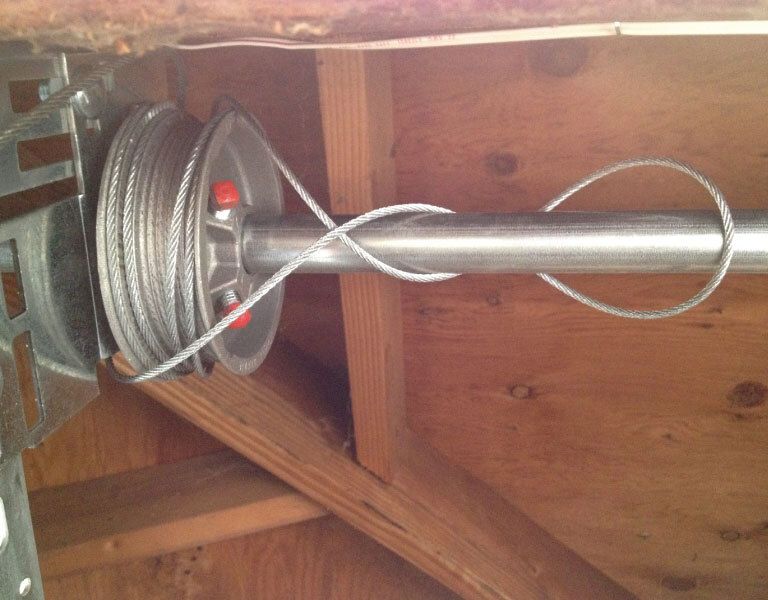
Can a Garage Door Still Work With a Broken Cable?
No, a garage door cannot operate properly with a broken cable because the cable keeps the entire system balanced and moving safely. Without it, every connected part is forced to carry a load it was never designed to handle.
Here is why a garage door cannot function normally with a broken cable:
- The door is unable to open or close evenly on both sides
- Normal door cycles become unpredictable and inconsistent without full cable support
- The door loses the balance it needs to travel smoothly along the tracks
- Springs are forced to compensate for the missing cable tension and wear out faster
- Surrounding hardware begins to loosen and deteriorate from the increased load
To understand what these warning signs look like before a cable fully breaks, read our guide on What Are Signs of a Failing Garage Door Cable?, which covers the most telling indicators homeowners notice before a complete failure occurs.
What Causes a Garage Door Cable to Break?
Cable failure rarely occurs at random because there is almost always an underlying issue that has been building up for a long time before the cable finally gives out.
Here are the most common causes of garage door cable failure:
- Normal wear and tear gradually weakens the cable strands after years of daily cycles
- Rust and corrosion eat away at the steel fibers and make the cable brittle over time
- Poor installation puts uneven pressure on the cable from the very first cycle
- Excess spring tension forces the cable to work harder than it was built to handle
- Overloading the door with added weight puts the entire cable system under constant stress
To get a complete picture of the factors that lead to cable failure, read our guide on What Causes Garage Door Cables to Break?, which breaks down each cause in detail so homeowners know exactly what to watch for.
Warning Signs Your Garage Door Cable Needs Repair
Catching a cable problem early gives you the chance to schedule a repair before the damage spreads to other parts of the system.
Watch out for these warning signs:
- Visible fraying or loose strands along the length of the cable
- Garage door opens unevenly or tilts to one side during operation
- Loud snapping or popping sounds coming from the cable area
- Slack or loose cable hanging near the drum when the door is closed
- The bottom of the door appears lower on one side than on the other
Acting on these warning signs promptly is the best way to prevent a minor cable issue from becoming a costly garage door repair.
What Homeowners Should Do After Spotting a Problem
Knowing the right steps to take after spotting a cable problem keeps the situation from getting worse before a professional arrives.
Here is what you should do right away:
- Stop using the garage door completely until a technician has assessed the damage
- Do a quick visual check from a distance to note which side looks affected
- Avoid touching the cables, springs, or any hardware connected to the system
- Keep vehicles and people away from the garage door until it has been inspected
- Contact a professional garage door technician to schedule a repair as soon as possible
A trained technician has the tools and experience to handle every part of the process, which is why garage door emergencies should never be left unattended for long.
How Professionals Fix a Broken Garage Door Cable
Inspecting the Full Cable and Drum System
Every professional repair starts with a full inspection of the cable, drum, and all connected components before any work begins.
During the inspection, a technician will check for:
- Frayed or snapped cable strands along the full length of the cable
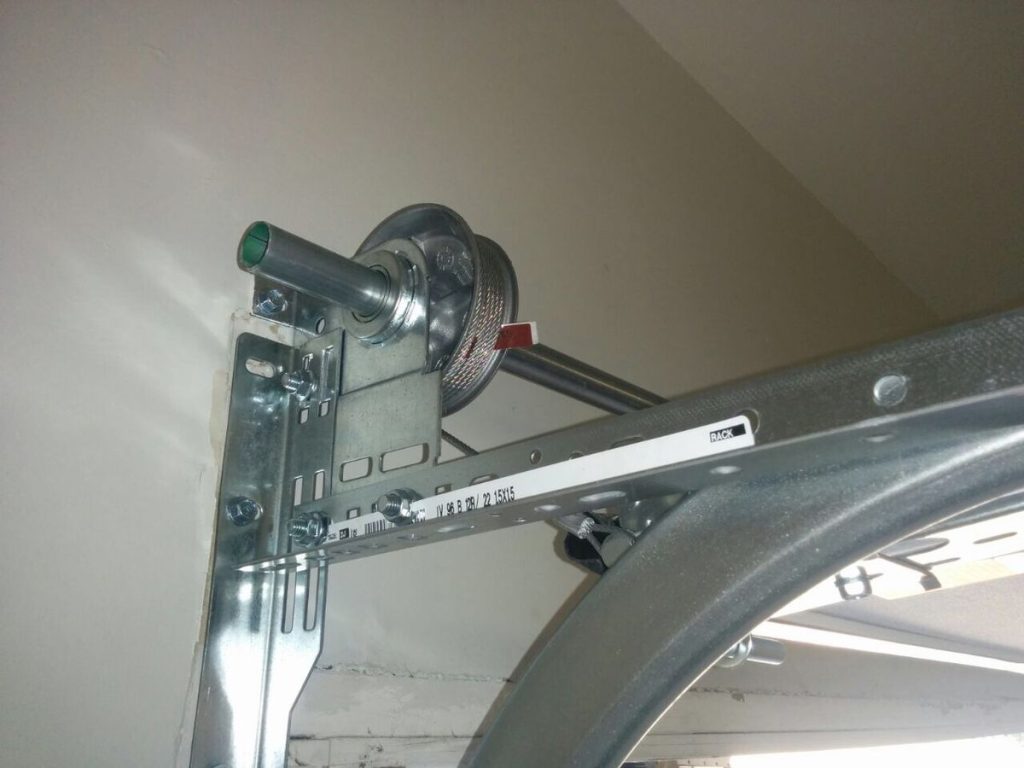
- Drum condition on both sides to confirm no cracking or slipping has occurred
- Bottom bracket and bottom roller connections for signs of bending or damage
- Spring condition to determine whether the cable failure has affected the tension system
- Overall door balance by observing how the door sits on both sides of the track
Skipping this step risks missing hidden damage that can cause the repair to fail sooner than expected.
Safely Releasing the Spring Tension
Releasing spring tension is one of the most technically demanding steps in the entire garage door cable repair process.
Before removing any cable, the technician must:
- Confirm the door is fully lowered and secured before touching any components
- Use winding bars specifically designed for releasing torsion spring tension
- Release tension gradually from both sides to keep the system stable throughout
- Check that set screws are loosened properly before any cable is removed from the drum
- Wear safety glasses and protective gear throughout this entire step
Handling spring tension without the proper tools and training puts the entire system and everyone nearby at serious risk.
Removing and Replacing the Damaged Cable
Removing the old cable carefully is just as important as installing the new one because any rushed handling can damage the drum or derail the pulley system.
Steps involved in removing and replacing the cable:
- The old cable is unwound from the drum carefully to protect the drum grooves
- The pulley system is checked for wear or misalignment before threading the new cable
- New cable is selected based on the door’s exact weight, height, and spring type
- Cable is threaded from the bottom bracket up through the pulley and onto the drum
- Alignment on both sides is confirmed before tension is reapplied to the system
Proper threading and alignment from the start is what makes a garage door cable replacement last significantly longer than a rushed installation.
Calibrating Cable Tension After Installation
Proper tension calibration after installation ensures the door opens and closes evenly once the repair is complete.
During tension adjustment, the technician will:
- Wind the cable onto the drum evenly to distribute tension across both sides
- Adjust spring tension gradually until both sides of the door carry equal weight
- Tighten set screws firmly to lock the cable in place on the drum
- Confirm that the bottom of the door sits level when fully closed after adjustment
- Make small corrections to either side until the balance feels consistent through a full cycle
Rushing through tension calibration leads to uneven door movement and puts the new cables at risk of failing ahead of schedule.
Testing the Door for Balance and Performance
Running the door through a full performance test after installation confirms that the repair was completed correctly and that smooth operation has been fully restored.
Performance testing includes checking:
- Multiple full open and close cycles while observing movement on both sides
- Opener response to confirm the motor is no longer working against an unbalanced load
- Cable drum alignment to make sure neither cable is slipping or sitting unevenly
- Safety cables and extension springs, if applicable to the door’s specific setup
- Final balance check by disconnecting the opener and lifting the door manually to mid-height
A door that drifts at mid-height still needs tension correction, and a proper garage door balance test confirms the system is performing exactly the way it should.
What Affects the Cost of Garage Door Cable Repair?
Several factors influence the overall garage door cable repair cost, and understanding them helps homeowners set realistic expectations before calling a technician.
Factors that affect the final repair cost include:
- Type and material of the cable based on the door’s specific spring system
- The extent of the damage and how many components were affected during the cable failure
- Whether one cable or the full cable system needs to be replaced
- Labor time required based on the complexity of the repair
- Additional parts like drums, brackets, or springs that may need attention during the same visit
A professional inspection always provides the most accurate estimate, and damage that goes unaddressed for long enough may eventually require a full garage door replacement.
How to Avoid Garage Door Cable Problems After a Repair
Keeping a garage door cable in good condition after a repair comes down to consistent habits and catching small issues before they develop into bigger ones.
Simple ways to protect your cable after a repair:
- Schedule a professional inspection at least once a year to catch early signs of wear
- Apply lubricant to the cable drum and rollers every few months to reduce friction
- Listen for unusual sounds during operation and act on them before they get worse
- Keep the area around the bottom bracket clean and free of debris and moisture
- Avoid overloading the door with added weight that puts extra strain on the cables
To learn more about keeping your cables in top condition long term, read our guide on How to Prevent Garage Door Cable Damage, which covers every maintenance step homeowners in Niles, IL can take to extend the life of their cable system.
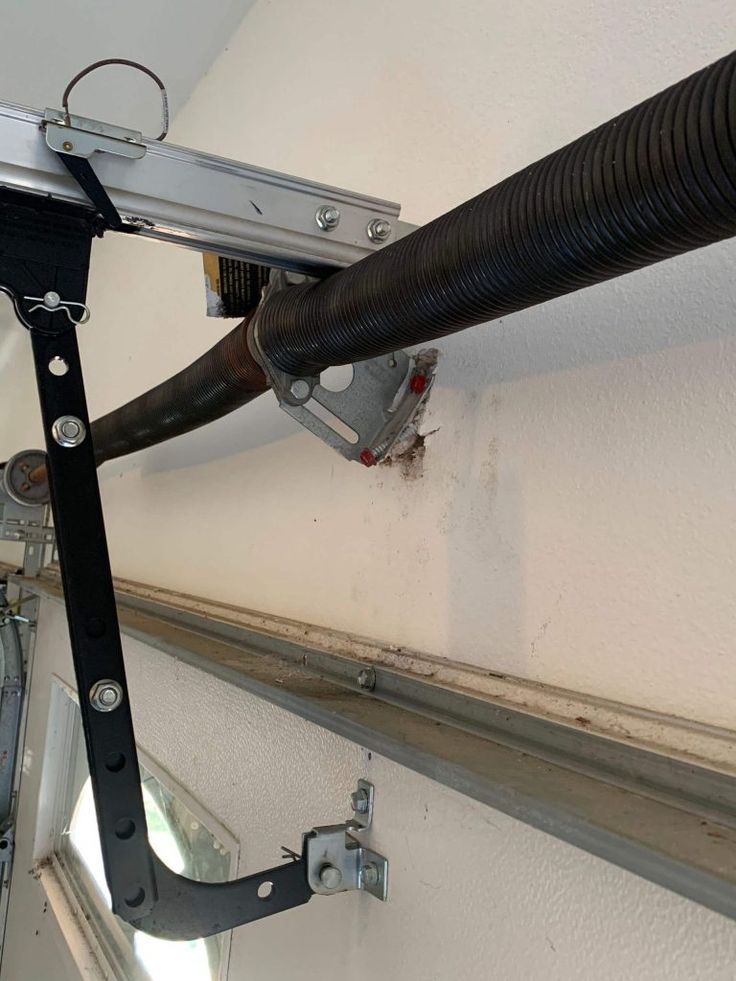
Trust a Professional to Fix Your Broken Garage Door Cable Correctly
A broken garage door cable affects the balance, performance, and security of your entire door system in ways that get worse the longer the problem is ignored. Reaching out to a professional at the first sign of trouble protects every connected component from damage that could have been avoided.
MF Solutions is a trusted garage door company serving Niles, IL, and the surrounding areas with professional cable repairs, replacements, and full system inspections. Contact us or give us a call today, and we will walk you through every step of the repair process until your garage door cable is back to full working condition.
Frequently Asked Questions
Does a broken cable void my garage door warranty?
It depends on the manufacturer's warranty terms. Some warranties require repairs to be completed by a certified professional, so reviewing your documentation before scheduling any work is always a good idea.
Will my garage door opener get damaged if the cable breaks?
Yes, it can. A broken cable forces the garage door opener to operate against an unbalanced load, placing excessive strain on the motor and drive system and potentially leading to permanent damage if the door continues to operate in that condition.
Can a garage door cable be repaired without replacing the spring?
Yes, in many cases it can. If the spring is still in good condition after the cable failure, a technician can replace only the cable without disturbing the spring, which helps keep the overall repair scope and cost more manageable.
How long does a garage door cable typically last after a professional replacement?
A professionally installed cable can last anywhere between 7 and 10 years, depending on how frequently the door is used and how well the system is maintained. Scheduling regular inspections and keeping components lubricated significantly extends the life of a new cable.
How do I know if my garage door cable was installed correctly?
A correctly installed cable will keep the door moving evenly on both sides without any wobbling, sagging, or unusual resistance during operation. If the door feels heavier on one side or makes grinding sounds after a repair, the best course of action is to contact your technician for a follow-up inspection.
Is it necessary to replace both cables at the same time?
Yes, and we strongly recommend it. Both cables undergo the same number of cycles and carry the same load, so replacing only one significantly increases the likelihood that the other will fail soon.
Can a garage door come off its tracks when the cable breaks?
Yes, it can. Without cable tension holding the door in proper alignment, the door loses the support it needs to travel evenly along the tracks and can shift, tilt, or derail entirely during operation.
Is it safe to park a car in the garage when the cable is broken?
No, it is not advisable. A door with a broken cable can drop or shift without warning, putting any vehicle parked underneath at serious risk of damage that could have been completely avoided with a simple precaution.
Does the size of my garage door affect what type of cable is needed for the repair?
Yes, it does. Larger and heavier doors require thicker cables rated to handle higher load capacities. Using an undersized cable on a heavy door accelerates wear and increases the likelihood of an early failure.