
Preventing garage door cable damage is one of the most important things a homeowner can do to keep their garage door running properly for years to come. Small issues that go unnoticed can quickly spread and affect the performance, balance, and overall condition of the entire system.
The good news is that cable damage is not inevitable, and there are practical steps that can significantly extend the life of your cables. Knowing what to check, how often to inspect, and when to call a technician can save you from costly emergency repairs down the road.
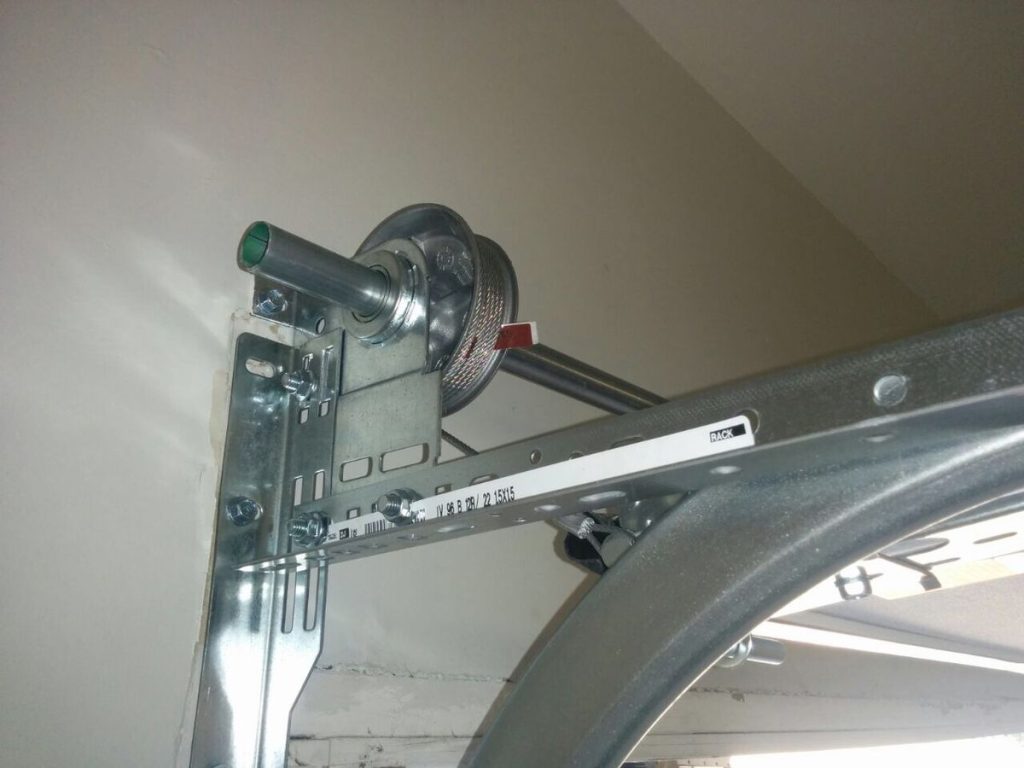
What Makes Garage Door Cables Vulnerable to Damage?
Garage door cables are built to last, but daily use combined with environmental conditions and neglected maintenance can quietly wear them down over time until a failure becomes unavoidable and expensive to fix.
The most common vulnerability factors include:
- Moisture and road salt cause rust and corrosion to form on the metal strands
- Dirt and debris around the cable drum create friction and accelerate wear
- Uneven weight distribution that forces one cable to carry more load than the other
- Poor installation that causes the cable to sit at the wrong angle during every cycle
- Lack of regular maintenance that allows small issues to build up into cable failure
To understand how these factors manifest as visible damage, read our guide on What Are Signs of a Failing Garage Door Cable?, which covers the most telling indicators homeowners notice before a complete failure occurs.
How to Prevent Garage Door Cable Damage the Right Way
Lubricate Moving Parts the Right Way
Applying lubricant to the wrong components is one of the most common mistakes homeowners make, and it can actually accelerate cable wear rather than prevent it.
Proper lubrication focuses on:
- Rollers and hinges that create friction against the track during every cycle
- Pulleys that guide the cable path and need to spin freely without resistance
- Torsion spring that benefits from a light coat to reduce metal fatigue over time
- Silicone-based lubricant applied in thin, even amounts to avoid attracting dirt
- Avoiding the cables themselves, since lubricant on the strands traps dust and debris
Knowing which parts actually need lubrication is what keeps your cables protected instead of worn down ahead of schedule.
Keep the Door Properly Balanced at All Times
An unbalanced garage door puts uneven tension on the cables, and over time, that imbalance causes one side to wear down significantly faster than the other.
Checking door balance involves:
- Disconnecting the garage door opener by pulling the red release cord
- Lifting the door manually to about waist height and letting go completely
- Watching whether the door stays in place or drifts up or down on its own
- Noticing any resistance or unevenness as the door travels along the track
- Calling a professional immediately if the door does not hold its position
Regularly running a quick manual door balance check helps catch uneven cable tension before it becomes a more involved repair.
Keep the Tracks and Door Clean From Dirt and Debris
Buildup inside the tracks forces the door to move unevenly, and that uneven motion places repeated stress on the cables with every cycle.
Keeping the system clean requires:
- Wiping down both tracks with a dry cloth to remove dust, dirt, and grease buildup
- Clearing debris from the bottom of the door before it gets pulled into the track
- Checking the area around the bottom bracket for dirt that can affect cable alignment
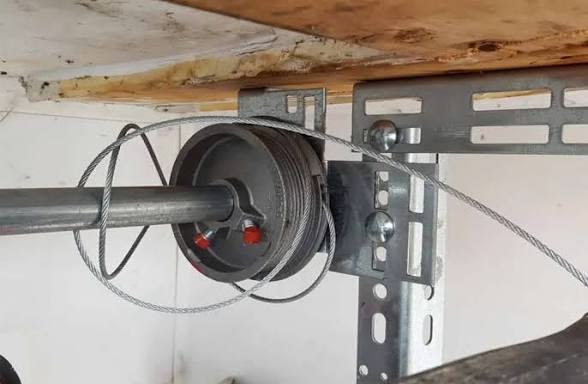
- Removing any visible buildup from the cable drum and surrounding hardware
- Making track cleaning part of a monthly routine to prevent gradual accumulation
Consistent cleaning is one of the most overlooked maintenance habits that protects your cables and reduces the need for garage door repair down the road.
Address Rust and Corrosion Before It Spreads
Rust weakens garage door cable strands from the outside in, and once corrosion takes hold, the cable becomes increasingly likely to snap under normal load.
Staying ahead of rust means:
- Inspecting the cables visually each month for any discoloration or rough texture
- Applying an anti-corrosion spray to the cable drum, bottom roller, and surrounding hardware
- Paying extra attention during winter in Niles, IL, when road salt and moisture peak
- Drying off any moisture that collects on the garage door hardware after heavy rain or snow
- Replacing components that show advanced corrosion before they affect the cable directly
Addressing rust early is one of the most effective ways to extend cable life and avoid unexpected failures.
Never Attempt DIY Adjustments on the Cable
Garage door cables operate under extreme tension, and any adjustment attempted without proper training puts both the system and the person performing it at risk.
Hands-off situations that always require a professional include:
- Repositioning a cable that has slipped off the drum or sits at the wrong angle
- Tightening or loosening any component connected to the torsion spring system
- Attempting to fix a broken garage door cable without the proper tools and safety gear
- Adjusting set screws or cable anchors that affect overall spring tension
- Reattaching the end of the cable to the bottom bracket after it has come loose
Calling a licensed technician for these tasks costs far less than recovering from garage door emergencies caused by improper handling.
Schedule Annual Professional Inspections
Catching small issues before they grow into expensive failures is exactly what annual professional inspections are designed to do for your garage door system.
A thorough annual inspection covers:
- Cable condition, including fraying, kinking, rust, and improper seating on the drum
- Spring tension and whether the torsion spring is nearing the end of its cycle life
- Alignment of the tracks and pulleys to confirm the cable travels at the correct angle
- Condition of the bottom bracket, set screws, and cable drum hardware
- Overall balance and performance of the garage door opener under normal operating load
Annual inspections before winter give your cables, springs, and garage door opener the best chance of handling cold weather without an unexpected failure.
What to Regularly Check on Your Garage Door Cable
Routine visual checks are among the most practical ways to spot early cable problems before they become costly repairs.
Key areas to inspect include:
- Fraying or loose strands along the full length of the cable
- Kinking or bending that indicates the cable has been forced out of its proper path
- Rust or discoloration on the cable surface and surrounding hardware
- Condition of the drums, pulleys, and bottom bracket for visible wear or damage
- How evenly the door moves during a full open and close cycle
To learn more about what triggers these warning signs, read our guide on What Causes Garage Door Cables to Break?, which covers the most common reasons cables fail and what homeowners can do to stay ahead of them.
Why Professional Maintenance Is the Best Prevention Strategy
Professional maintenance goes beyond what any visual check can catch, making it the strongest layer of protection for your garage door cables.
A trained technician is the best prevention investment because:
- Professionals spot hidden fraying, rust, and misalignment that homeowners typically miss during routine checks
- Early detection of worn components prevents a single cable issue from spreading to the entire system
- Proper tension adjustments during each visit keep the weight of the door distributed evenly across both cables
- Scheduled maintenance reduces the likelihood of a sudden cable failure that leads to costly emergency repairs
- A professional eye confirms that all garage door components are working together without placing extra strain on the cables
To find out what happens when maintenance is skipped, and a cable eventually fails, read our guide on How to Fix a Broken Garage Door Cable, which walks through what the repair process involves and why early action matters.
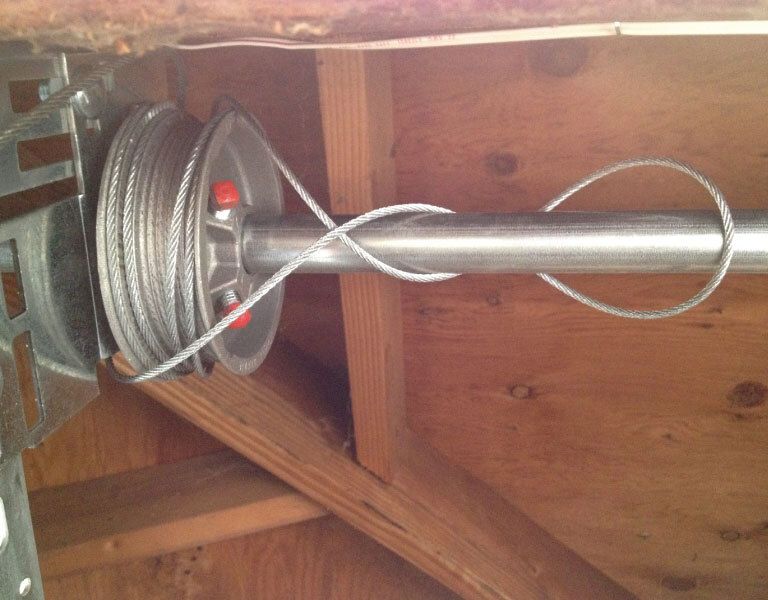
Prevent Garage Door Cable Damage Before It Turns Into a Costly Repair
Knowing what to check, how often to inspect, and which habits protect your cables the most gives every homeowner a real advantage against unexpected failures. Taking action early is always less expensive and less disruptive than dealing with a full cable breakdown when it is least expected.
MF Solutions is a trusted garage door company serving homeowners throughout Niles, IL, and the surrounding area with professional inspections, maintenance, and garage door cable repairs. Contact us or give us a call today, and let our team walk you through the right maintenance routine for your specific garage door and cable setup.
Frequently Asked Questions
Does the age of a garage door affect how often the cable needs maintenance?
Yes, it does. Older garage door systems have components nearing the end of their service life, which means cables may show signs of wear more frequently. Increasing inspection frequency on an older door is always a good idea.
What is the best season to schedule garage door cable maintenance in Niles, IL?
Late summer or early fall is the ideal time to schedule annual maintenance. Getting the system serviced before cold weather arrives ensures that cables are in the best possible condition, reducing the risk of garage door cable replacement as freezing temperatures and moisture increase the risk of damage.
Can the way a garage door is installed affect how long the cables last?
Yes, it can. A door that is not installed at the correct height or alignment places uneven stress on the cables from the very first cycle. Having a professional handle the installation ensures that every component is positioned correctly from the start.
Can a garage door cable stretch over time?
Yes, it can. Cables gradually stretch with regular use, and a stretched cable sits looser on the drum than it should, which leads to uneven door movement during operation. A professional inspection will identify whether a cable has stretched beyond an acceptable range and needs attention.
Does frequent use of the garage door opener accelerate cable wear?
Yes, it does. Frequent automated cycles put consistent mechanical stress on the cables, and an opener that is not properly calibrated adds even more strain during each cycle. Scheduling regular maintenance ensures the opener and cables are always working together without placing unnecessary load on either component.
Does the frequency of manual door operation affect cable wear differently than automated use?
Yes, it does. Manual operation puts direct physical force on the cables in ways that differ from the consistent mechanical load of an automated cycle. Having a technician periodically check cable condition ensures that neither manual nor automated use causes uneven wear on the system.
Does an uneven garage floor affect the performance of garage door cables?
Yes, it can. An uneven floor changes how the door sits when fully closed, which affects the tension distribution across both cables over time. Having a technician assess the door's closing position ensures the cables are not carrying an unbalanced load during every cycle.
Can garage door cable repair be prevented entirely with the right maintenance routine?
Regular maintenance significantly reduces the likelihood of needing garage door cable repair, but no routine eliminates the risk entirely. Staying current with inspections, lubrication, and professional visits is the closest a homeowner can get to fully protecting their cables from unexpected damage.
How does the weather stripping condition affect the garage door cable wear?
Worn or damaged weather stripping allows moisture and debris to enter the garage, which accelerates rust and corrosion on the cables and surrounding hardware. Replacing weather stripping as soon as it shows signs of wear is a simple preventive step that protects the entire garage door system.