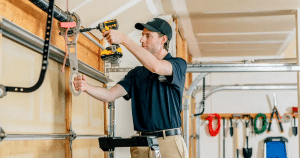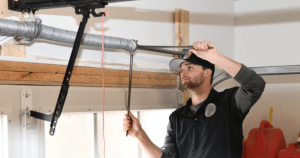


A garage door manual release that will not disengage can leave your door stuck between powered and manual movement, which may trap your vehicle and create a risk if the door is not balanced. In Niles, IL, this issue often follows a sudden stop, a power interruption, or added strain in the lift system that keeps the release from moving freely.
This guide explains the most common mechanical reasons the release binds, what the problem can signal inside the door and opener setup, and why the underlying cause matters before anything is reset. If the door feels unusually heavy or the release fails to operate normally, garage door repair may be the best option to prevent further damage and restore reliable operation.
When Should You Use the Manual Garage Door Release?
The garage door manual release is typically used when powered movement is not available or stops responding normally, since switching to manual control can restore access without repeatedly cycling the system.
Common situations where release use is appropriate include:
- A power outage that prevents the automatic door opener from operating.
- Opener control failure where wall controls or remotes will not trigger normal travel.
- Abnormal resistance detection that causes the opener to stop due to garage door safety sensors or force limits.
- Cycle interruption after an obstruction event that leaves the system stopped mid-travel.
- Drive connection strain near the trolley and opener carriage that keeps the disconnect point under load.
To understand how these situations affect load and reconnection, read our guide on Garage Door Manual Release Is Stuck? What to Do Next, which explains when release use makes sense and what can block a reset.
Main Causes of a Garage Door Manual Release Stuck Issue
Trolley Under Load Blocks Release Movement
Loading on the trolley can lock the disconnect point, making the garage door manual release feel stuck even though the cord still moves.
Common lock-up patterns include:
- Pressure build-up: door weight loads the latch point near the opener carriage.
- Mid-travel tension: the opener stops short of a relaxed position, holding force on the trolley.
- Resistance response: abnormal drag makes the opener hold position instead of easing tension.
- Partial travel stress: manual control attempts happen while the door is not settled.
Genie explains that pulling the emergency cord disconnects the door from the opener’s carriage, clarifying why the load can prevent smooth disengagement.
Worn or Misrouted Release Cord Limits Travel
Wear, or an off-angle pull, can reduce how far the release mechanism moves, so the latch never fully clears the catch.
Signs the cord path is limiting motion include:
- Pull angle issues: the red rope tracks sideways instead of straight down.
- Travel limits: the lever only shifts partway before stopping abruptly.
- Handle interference: the red emergency release cord handle bumps hardware near the rail.
- Friction drag: the cord rubs along the rail, slowing motion and shortening travel.
A garage door service technician can confirm whether the release cord route is restricting movement and causing repeat binding under normal use.
Rust, Dirt, and Corrosion Jam Release Parts
Corrosion and debris can seize small moving parts inside the emergency release mechanism, especially around pivot points and latch edges.
Conditions that often create binding include:
- Moisture exposure: humidity and condensation roughen metal contact surfaces.
- Debris buildup: dust collects where the spring lever and latch rotate.
- Surface pitting: corrosion creates snag points that interrupt smooth travel.
- Seasonal swings: repeated temperature shifts accelerate metal wear and sticking.
Garage door repair often starts with identifying where corrosion is restricting movement so the emergency release can function reliably again.
Track Misalignment Adds Drag and Binding
Track drift or roller friction can load the door unevenly, increasing the resistance transmitted to the disconnect point near the trolley.
Movement changes that raise release strain include:
- Rubbing travel: door sections scrape along the track during manual operation.
- Jerky motion: rollers hesitate, then jump, creating sudden load changes.
- Uneven lift: one side rises faster, twisting the door and increasing drag.
- Start-stop cycling: the garage door opener senses resistance and pauses the cycle.
Garage door service should address travel resistance first, since drag can keep the release from disengaging even if the red cord and latch are intact.

Worn Trolley Latch or Release Assembly
Worn latch edges and tired internal parts can prevent a clean disconnect, leaving the garage door manual release stuck in a half-engaged state.
Wear-related clues often include:
- Soft engagement: the latch no longer catches with a firm, consistent feel.
- Incomplete reset: the lever returns slowly instead of snapping back into place.
- Metal fatigue: years of experience and frequent cycles round off contact points.
- Loose movement: the opener mechanism shows play where parts should stay aligned.
Intermittent catching and slip-back at the latch point often indicate opener-side wear, so inspecting the garage door opener can help restore consistent engagement.
Half-Engaged Trolley Catch After a Cycle Stop
A sudden stop can leave the opener carriage and trolley in partial engagement, making the release feel jammed even when the emergency cord is pulled.
Stop-related patterns often show up as:
- Interrupted closing: safety sensors trigger, and the opener halts mid-cycle.
- Reversal behavior: the system starts down, meets resistance, then stops quickly.
- Latch hang-up: the catch sits at an angle that prevents the spring lever from moving.
- Inconsistent reconnect: the door shifts unpredictably between manual operation and automatic opener modes.
A controlled system check helps confirm whether a half-engaged catch is preventing release travel and causing repeat engagement problems.
Garage Door Emergency Release Stuck After an Outage
A power outage can freeze the system in a tension-heavy position, making the emergency release cord feel locked until the load condition is addressed.
Outage-driven symptoms often include:
- Frozen position: the door remains near an open position with the load still on the trolley.
- Hard pull feeling: the red emergency release handle resists motion under tension.
- No clean disengage: the emergency release does not separate from the opener connection.
- Restart confusion: automatic garage door opener attempts fail after power returns.
The Chamberlain Group highlights that the emergency release disconnects the door from manual operation and describes how post-outage tension can prevent smooth disengagement.
Door Balance Problems Increase Resistance
Balance issues raise the door’s effective weight on the release point, which can jam the disconnect and increase risk during manual operation.
Balance-related red flags include:
- Heavy-lift feel: the garage door feels unusually heavy when operated manually.
- Counterbalance loss: a broken spring reduces support, shifting the load to the release point.
- Uneven travel: the door tilts, increasing drag and stressing the opener carriage.
- Drop tendency: the door drifts downward from a partially raised position.
Door weight that no longer feels supported usually points to a counterbalance fault, and broken garage door springs often require replacement to reduce the release bind under load.
Cold Weather Stiffens Movement and Tolerances
Cold conditions can tighten metal tolerances and thicken internal residues, which makes the release lever and latch movement sluggish or resistant.
Cold-weather patterns often include:
- Stiffer pivot action: the lever feels slow and reluctant to rotate.
- Higher door drag: the overhead door travels with more resistance along the track.
- Sticky reset: the safety mechanism does not return smoothly to the normal position.
- Intermittent function: the red emergency release works one day and binds the next.
Maintenance needs often rise in winter because colder temperatures can magnify small friction points into a noticeable release failure.
Forced Reset Warps the Release Connection
Pulling with much force can bend latch components or distort the connection geometry, making repeated binding more likely over time.
Damage patterns linked to forcing include:
- Bent contact edge: the latch face no longer lines up with the catch cleanly.
- Twisted pull path: the emergency cord starts pulling off-axis more often.
- Rough engagement: the trolley reconnect feels abrupt rather than smooth.
- Escalating strain: additional pulling increases the chance of further damage to related parts.
When a forced reset warps the release connection, the latch may bind or refuse to re-seat, and garage door emergency service helps restore proper engagement before more parts are affected.
What to Do If the Release Is Stuck Right Now
A stuck garage door manual release can be frustrating, so it’s important to stop trying to force it and address the issue carefully.
- Avoid pulling the emergency release cord, as it could worsen the problem.
- Ensure the door is fully closed and check for any obstructions.
- Inspect the system for any tension and assess the opener’s status.
- Contact a professional garage door technician for a thorough inspection.
- Evaluate the door’s balance and check the release assembly for any wear.
If you’re still unable to resolve the issue, read our guide on How Do I Open a Stuck Manual Garage Door?, as this explains how to safely open a stuck door when the release doesn’t engage.
Why Heavier or Older Doors Get Stuck More Often
Heavier and older garage doors are more prone to release issues due to increased stress and wear on the system.
- Excess weight puts added strain on the release mechanism, causing it to jam
- Worn components such as springs, rollers, and cables create more friction, slowing movement
- Track misalignment in older doors increases resistance, disrupting smooth operation
- Corrosion builds up over time, restricting the movement of key parts in the release mechanism
Addressing these issues promptly can reduce the likelihood of further damage and improve your garage door’s performance.
Why Forcing the Release Can Cause More Damage
Forcing the garage door’s manual release can cause further damage by putting extra strain on critical parts of the door system.
- Forcing the release can damage the opener mechanism, causing it to break
- Excessive pressure can misalign the door, leading to further operational issues
- Trolley components may wear out faster under undue stress
- Forcing it repeatedly can cause internal damage that may require expensive repairs
Avoiding forceful attempts will minimize damage and help maintain the long-term performance of your garage door system.

What a Technician Checks on a Stuck Release
When the garage door manual release is stuck, a technician inspects several components to identify the cause and ensure proper function.
- The release mechanism is checked for wear, alignment, and proper engagement.
- Trolley and track alignment are examined for obstructions or misalignment.
- Spring tension and door balance are evaluated to ensure smooth movement.
- The opener mechanism is tested to confirm it’s not under strain or damaged.
- Cable condition is assessed to ensure it is not frayed or misrouted.
This thorough inspection ensures that all critical parts are functioning properly and helps prevent future issues with the release mechanism.
How to Take the Door Out of Manual Mode
When the garage door is in manual mode, re-engaging the release mechanism properly is crucial to restoring automatic operation.
- Ensure the door is fully closed and aligned before reconnecting.
- Pull the manual release cord to disengage the door from the opener.
- Reconnect the trolley to the opener by pulling the release cord back into position.
- Test the opener to confirm the door operates smoothly and resets.
- Check the safety sensors to ensure they are functioning properly.
The steps for safely taking the door out of manual mode are explained in our guide on How Do I Take a Garage Door Out of Manual Mode?, which details the process for reconnecting the door to the opener system.
Prevent a Stuck Garage Door Manual Release From Causing Problems Again
A stuck manual release is often caused by excessive load, friction buildup, or misalignment, and forcing it can damage key components. Begin by inspecting the door for any obstructions, ensuring proper balance, and halting operation if the door feels unusually heavy.
MF Solutions offers expert garage door repair services in Niles, IL, specializing in stuck-release issues and ensuring your system operates smoothly. Our team will inspect your garage door, fix any misalignments, and restore functionality to prevent recurring problems.
Contact us or give us a call today to schedule professional garage door service in Niles, IL.
Frequently Asked Questions
Is a stuck manual release a sign of spring failure?
No. A stuck manual release is not necessarily caused by spring failure. However, unbalanced springs can place additional strain on the release mechanism, leading to potential jamming or binding.
what happens if the release is pulled while the door is partially open?
Pulling the release while the door is partially open can cause the door to drop unexpectedly, potentially damaging the opener or door components. Always ensure the door is fully closed before pulling the release to prevent this.
Can a stuck release prevent the opener from reconnecting properly later?
Yes. A stuck release can prevent the opener from properly reconnecting, especially if the latch is misaligned or under tension. This may prevent the door from operating smoothly when the opener is re-engaged.
How long does a typical service appointment take for a stuck release?
Typically, a service appointment for a stuck release lasts 1-2 hours. The time frame can vary based on the complexity of the issue, including whether any parts need repair or replacement.
Do different opener brands use different release mechanisms?
Yes. Different garage door opener brands often use unique release mechanisms. These differences affect how the system engages and disengages, requiring specific procedures for each brand.
Can a stuck release cause the door to slam shut unexpectedly?
Yes. A stuck release can cause the door to drop suddenly, especially if the release mechanism is under tension or if the door becomes unbalanced. This can lead to damage and safety risks.
Should the release assembly be replaced if it keeps sticking?
Yes. If the release assembly continues to stick despite adjustments, replacement may be necessary. Worn or damaged parts can prevent the system from functioning properly and lead to recurring issues.
Can a manual lock interfere with the release system?
Yes. A manual lock can obstruct the release mechanism, preventing it from functioning properly. Engaging the lock may add resistance, preventing the release from disengaging smoothly.
Does routine maintenance reduce the risk of a stuck-release event?
Yes. Regular maintenance helps keep the release mechanism properly lubricated and aligned. By addressing wear early, maintenance reduces friction and helps prevent the release from getting stuck.