
Garage door cables are built to handle heavy loads day after day, but they are not immune to wear, damage, or failure over time. A snapped or damaged cable can bring the entire door system to a halt and create a hazardous situation that needs immediate attention.
The causes behind cable failure range from everyday use and weather conditions to poor installation and neglected maintenance. Getting familiar with these causes helps homeowners in Niles, IL, protect their investment and stay ahead of problems before they turn into costly repairs.
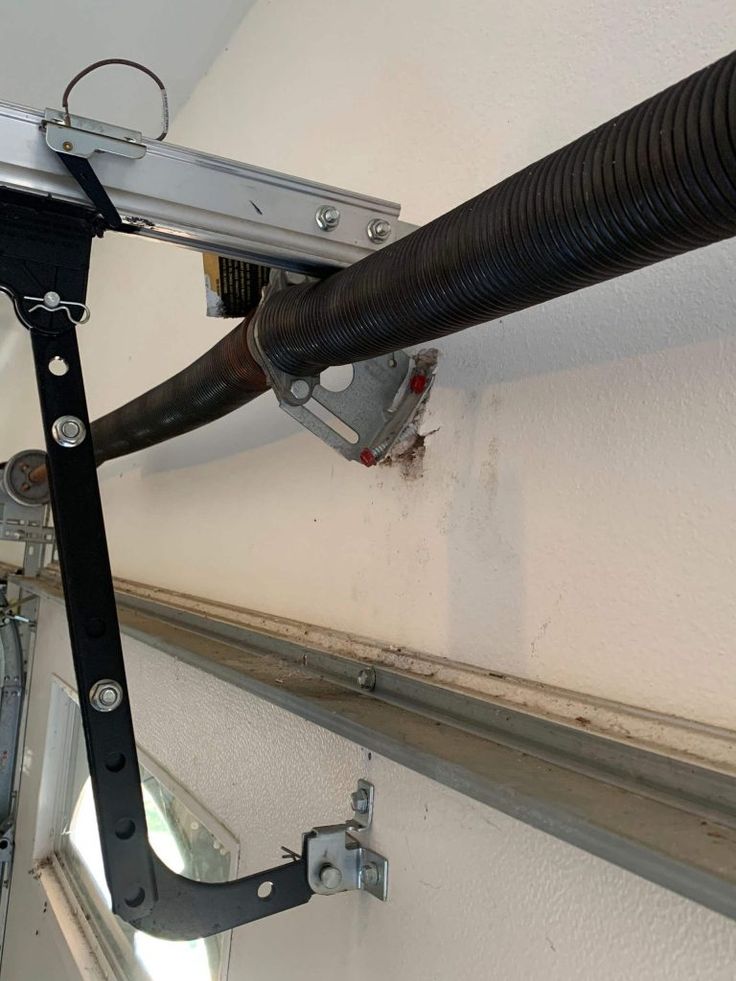
How Does a Garage Door Cable Work?
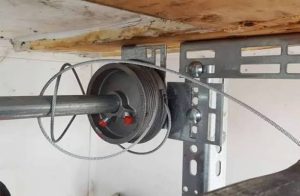
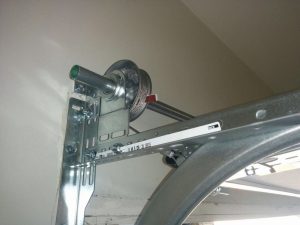
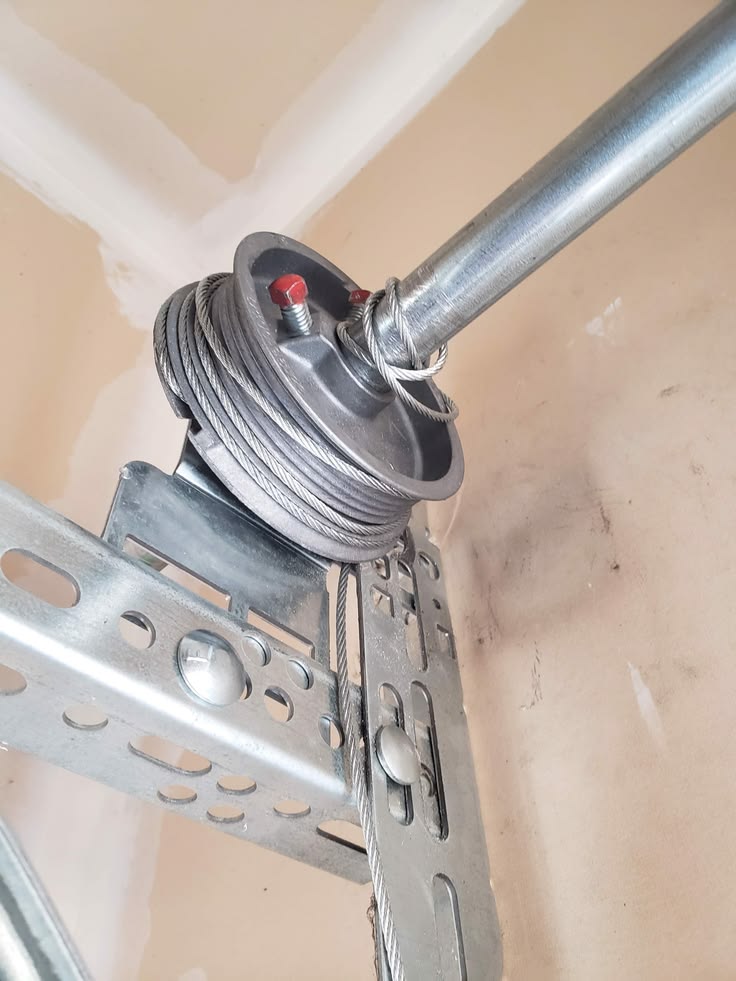
A garage door cable is a braided steel wire that runs along both sides of the door, connects to the bottom bracket at the base, and works with the spring system to carry the tension needed to lift and lower the door safely with every cycle.
It operates through these key components:
- Cable drums guide the winding and unwinding motion with each cycle.
- Garage door springs store and release the tension that powers the door’s movement.
- Bottom brackets anchor each end of the cable to the lower corners of the door.
- Pulleys redirect the cable’s force along the correct path in extension spring setups.
- Garage door openers trigger the cycle, but the cable and spring carry the actual load.
To understand how a compromised cable connects to broader system problems, read our guide on What Are Signs of a Failing Garage Door Cable?, which covers the most telling indicators homeowners notice before a complete cable failure occurs.
Common Reasons Why a Garage Door Cable Breaks
Wear and Tear from Daily Use
Constant daily cycling puts the garage door cable under repeated mechanical stress that gradually breaks down the steel strands from the inside out.
Signs that everyday use is wearing the cable down:
- Repeated cycles cause metal fatigue, which weakens the cable over time.
- Busy household doors wear out cables faster than those used only occasionally.
- Fraying starts where the cable bends most during operation.
- A heavier or slower door often signals the cable is losing integrity.
- Cables near the drum connection are especially vulnerable to snapping.
Galvanized steel cables rated for your door’s specific weight hold up significantly longer under daily use.
Rust and Corrosion on the Cable
Moisture exposure in Niles, IL, quietly deteriorates garage door cables long before any visible damage appears on the surface.
Conditions that accelerate rust and corrosion:
- Humid air in an unventilated garage creates constant moisture around metal components.
- Winter road salt tracked inside accelerates oxidation of steel strands.
- Cables near the bottom of the door are exposed to the highest moisture year-round.
- Rust weakens individual strands until the cable can no longer handle normal tension.
- Corroded cables lose flexibility and become brittle under load.
Following a proper garage door lubrication routine twice a year significantly slows corrosion and extends the working life of your cables.
Improper Installation and Incorrect Cable Winding Around the Drum
Poor winding technique during installation creates uneven tension, putting the cable at risk of failure from the very first cycle.
Installation mistakes that lead to premature cable failure:
- Unevenly wound cables rub against each other on the drum, wearing quickly.
- Incorrect drum placement causes the cable to pull at the wrong angle.
- Loose set screws allow the drum to shift, throwing the cable off track.
- A cable that is too short for the door creates excess tension on both the cable and the spring.
- Gaps in the drum groove cause the cable to slip during operation.
Doors with installation damage that has spread across multiple components may ultimately require a full garage door replacement rather than a simple cable fix.
An Unbalanced Garage Door Straining the Cable
Uneven weight distribution forces one cable to carry more load than it was designed for, accelerating wear on that side of the door.
Ways an imbalanced door damages the cable over time:
- One side dropping lower puts constant extra strain on that cable.
- Uneven movement causes the cable to wind incorrectly on the drum.
- A bouncing or shuddering door transfers unpredictable shock loads into the cable.
- Worn bottom rollers shift the door’s weight and stress the cable attachment points.
- A weakened spring forces the cable to compensate for lost tension on its own.
Performing a garage door balance test is a practical way to confirm whether an uneven load is already putting extra strain on your cables.
Damaged or Broken Garage Door Springs
A failed spring instantly transfers its full load to the cable, putting it under far more tension than it was designed to handle.
How a broken spring leads directly to cable failure:
- Torsion spring failure removes the counterbalance needed for controlled door movement.
- Extension spring breaks send a sudden shock through the cable system.
- Cables jump off the drum when spring tension drops mid-cycle without warning.
- Operating the door with a broken spring stretches the cable beyond its rated capacity.
- Spring and cable failures often occur together due to shared stress from the load cycle.
Addressing a broken spring immediately prevents the cable from absorbing damage that shortens its remaining lifespan.
Frayed Cables from Misaligned Tracks and Worn-Out Rollers
Misaligned tracks force the door to travel an uneven path, and the resulting sideways pressure gradually destroys the cable strands.
Track and roller problems that lead to cable fraying:
- Bent tracks push the door off its path and drag the cable sideways.
- Worn rollers cause wobbling that creates lateral stress on the cable.
- A door that catches along the track creates jerking forces that fray the cable.
- Debris in the track causes binding that transfers shock loads into the cable.
- Rollers that have lost their bearings allow the door to shift, pulling the cable out of alignment.
Severe track misalignment often points to deeper structural issues, including a damaged garage door panel that affects how the door travels along its path.
Closing the Door on an Obstruction
Forcing a garage door closed against a solid object creates instant slack in the cable, leading to drum derailment or permanent kinking.
What happens to the cable when the door hits an obstruction:
- Sudden resistance causes the cable to slacken on both sides simultaneously.
- Slack cable slips out of the drum groove and bunches into damaging kinks.
- A kinked cable cannot distribute tension evenly and fails at the kink point under load.
- Older openers without auto-reverse sensors are most likely to close fully onto an obstruction.
- Even a single obstruction event can trigger a cable failure weeks later.
Keeping the area around the bottom of the door clear before every closing cycle prevents this type of avoidable cable damage entirely.
Harsh Weather Conditions in Niles, IL
Extreme seasonal temperature swings put garage door cables through repeated cycles of expansion and contraction, accelerating structural fatigue.
Weather-related factors that damage cables over time:
- Freezing temperatures cause cable strands to stiffen and become brittle.
- Ice buildup around the bottom bracket freezes the door against the normal opening force.
- Forcing a frozen door open puts sudden extreme tension on weakened strands.
- Summer heat shifts cable tension as the metal expands, affecting drum seating.
- Repeated freeze-thaw cycles gradually loosen cable connections at anchor points.
Scheduling a seasonal inspection before winter arrives gives homeowners in Niles, IL, the best opportunity to catch cable wear before it fails.
What Happens to Your Garage Door After the Cable Snaps?
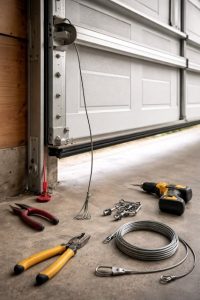
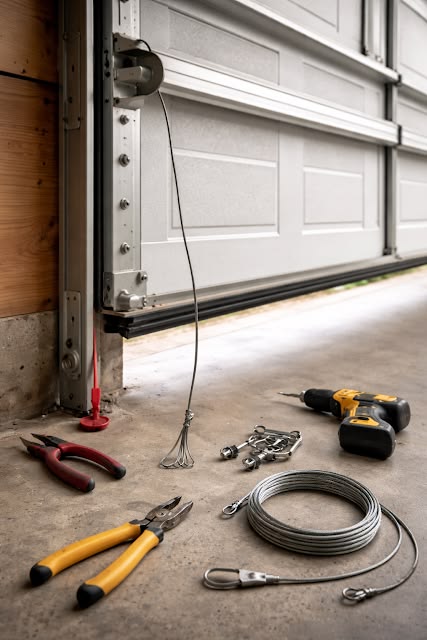
A snapped garage door cable triggers a chain reaction that spreads damage across the entire system, far beyond just stopping the door from moving.
What typically happens after the cable breaks:
- The door drops on one side, making it impossible to open or close evenly.
- Uneven door movement puts immediate stress on the tracks, rollers, and opener.
- The garage door opener strains against an unbalanced load and risks motor burnout.
- A door stuck at an angle leaves the home exposed and vulnerable to security risks.
- Further damage spreads to surrounding components the longer the door stays in use.
Calling a professional as soon as the cable snaps prevents a single failure from turning into a much larger and more expensive garage door repair.
What Increases the Risk of Garage Door Cable Failure?
Several overlooked habits and conditions quietly push a garage door cable toward failure long before it actually breaks.
Common risk factors that accelerate cable damage:
- Low-grade cable materials wear out faster and are more prone to fraying under regular load.
- Skipping routine maintenance allows rust, tension issues, and minor damage to build up unnoticed.
- Ignoring early warning signs turns a minor cable issue into a full system failure over time.
- Postponing a professional inspection after noticing unusual door behavior can lead to more serious and costly damage.
- Using the wrong cable types for the door’s weight puts the entire system under unnecessary strain.
To explore the specific steps that keep cables in good condition longer, read our guide on How to Prevent Garage Door Cable Damage, which covers the most practical maintenance habits homeowners can apply before serious damage sets in.
When Should You Call a Pro for Garage Door Cable Repair or Replacement?
Certain cable conditions go beyond routine maintenance and require a trained professional to address them before the damage spreads further.
Signs that it is time to call a garage door technician:
- A cable that is visibly hanging loose, frayed, or snapped needs immediate professional attention.
- A door that drops on one side or refuses to stay level signals that a cable has already failed.
- Grinding or popping sounds during operation indicate the cable is rubbing against the drum or track.
- Attempting a garage door cable replacement without proper tools and training puts the entire system at risk.
- Any cable issue left unaddressed for long enough will eventually pull the opener and damage the spring.
To learn what the professional repair process looks like from start to finish, read our guide on How to Fix a Broken Garage Door Cable, which walks through every step a technician takes to restore the system to proper working order.
Act Now Before Your Garage Door Cable Reaches Its Breaking Point
Understanding what breaks a garage door cable down is only valuable when that knowledge leads to action before the damage reaches a point of no return. Wear, corrosion, improper installation, and harsh seasonal conditions all work against your cable every single day, and catching the problem early keeps the entire system protected.
MF Solutions provides professional garage door cable repair and replacement services to homeowners throughout Niles, IL. Contact us or give us a call today to schedule an inspection with a garage door technician who can identify the cause of the damage and restore your system to full working order.
Frequently Asked Questions
Can a garage door cable break suddenly without warning?
Yes, it can. A cable weakened by rust or metal fatigue can snap without any obvious warning signs. Scheduling regular inspections is the most reliable way to catch hidden damage before a sudden failure occurs.
How do I know if my garage door cable is too loose or too tight?
A loose cable will visibly sag or hang away from the drum when the door is fully closed. A cable that is too tight will make the door feel stiff during operation and may produce unusual sounds during each cycle.
What type of garage door cable is best for cold-weather climates like Niles, IL?
Galvanized steel cables are the most recommended option for cold and wet climates. The galvanized coating resists rust and corrosion caused by moisture, road salt, and freezing temperatures that are common in the area.
Can a garage door still open with a broken cable?
The two main types are torsion spring cables and extension spring cables, and the right choice depends on your door's spring system, weight, and height. Using the correct cable ensures proper installation and long-term performance.
Can one broken cable cause the other cable to break as well?
Yes, it is very common. When one cable snaps, the full weight of the door shifts onto the remaining cable, putting it under far more stress than it was built to handle on its own.
What is the difference between a snapped cable and a derailed cable?
A snapped cable has physically broken and can no longer support the door. A derailed cable has slipped off the drum but may still be intact, and a professional can assess whether it needs to be replaced or simply reseated.
Does the type of garage door affect the cost of cable repair?
Yes, it does. Heavier doors require thicker, more specialized cables, which directly affects the overall garage door cable repair cost compared to standard residential doors. A professional assessment provides the most accurate estimate for your specific door type.
Can I prevent garage door cable failure entirely?
No single measure eliminates the risk completely, but regular maintenance significantly reduces the chances of an unexpected failure. Keeping components lubricated, scheduling annual inspections, and addressing minor issues early are the most effective ways to extend cable life.
Does cable thickness affect how long a garage door cable lasts?
Yes, it does. Thicker cables made from more steel strands are generally stronger and more resistant to metal fatigue, which can cause early failure. Using an undersized cable for your door weight is a common issue that can lead to premature cable breaks.