
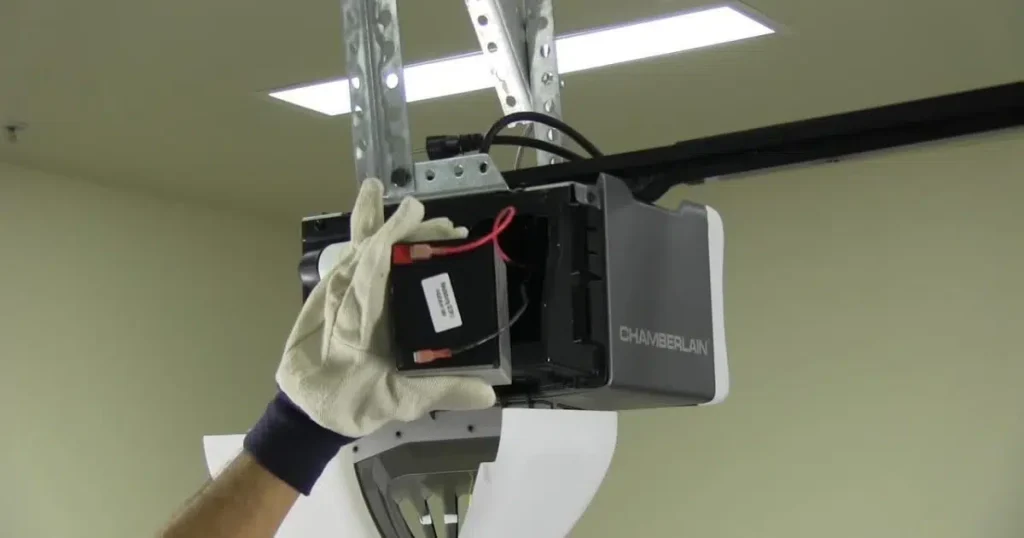
Garage door opener safety is about more than convenience. The opener influences how the door starts, stops, and responds when resistance changes, and those behaviors can affect household safety and property security. When opener performance changes, homeowners may see reversing, incomplete closure, or rough travel that increases wear on door hardware.
Situations that feel like garage door emergencies often begin with safety-related symptoms such as a door that will not close, a door that reopens repeatedly, or a door that stops mid-travel while leaving the opening unsecured. Opener problems can also overlap with door conditions, since a heavy or misaligned door forces the opener to work harder and may reduce reliable safety response. Understanding how opener behavior connects to door safety helps homeowners plan a professional evaluation before risk increases.
How Openers Influence Safe Starting, Stopping, and Reversal
Openers affect safety by controlling motion and responding to resistance. Travel limits define where the door stops, while force and sensitivity behavior influence how the system reacts if resistance rises. Safety sensors near the floor also influence reversal behavior and reduce risk during closing. When any of these factors drift, a door may close off-square, stop early, or reopen unexpectedly.
Safety-related opener behaviors to monitor include:
- Reversals during closing that repeat at the same point
- Stops short of the floor that leaves a security gap
- Sudden jerks at the start or end of travel
- Rough, noisy movement that suggests rising resistance
- Delayed response after pressing the wall controls or remotes
Professional evaluation focuses on whether the issue is internal to the opener or driven by door resistance. In the final step of planning, visit our blog, “What Are Garage Door Openers and How Do They Work?”
Door Conditions That Reduce Opener Safety Performance
Even a properly functioning opener can behave unsafely when the door is harder to move. Resistance changes can lead to inconsistent reversals, incomplete closure, and strain that shortens opener life. Door resistance often rises when lift support changes, tracks drift, or hardware loosens.
Door-related conditions that can affect opener safety include:
- Lift support changes linked to broken garage door springs
- Uneven tension along the garage door cables
- Track misalignment that creates binding and rubbing
- Roller wear that increases friction at track turns
- Section damage around a garage door panel hinge area
When resistance rises, the opener may compensate by pulling harder, which can reduce predictable reversal behavior. For common opener issues that lead to these symptoms, check our article, “What Problems Commonly Occur With Garage Door Openers?”
Warning Signs That Opener Safety Risk Is Increasing
Safety risk increases when the door becomes unreliable for closing, when reversals happen repeatedly, or when motion feels unstable. Homeowners often recognize these issues during busy routines, especially when the garage is a main entry point.
Warning signs that often justify professional evaluation include:
- The door refuses to close or reopens repeatedly
- Door stops mid-travel and will not continue
- The door closes unevenly and leaves a visible gap
- The opener runs, but the door moves inconsistently
- Manual release works, but the door feels too heavy
- Loud grinding or repeated clicking develops during movement
When these issues affect access or security, homeowners often seek garage door repair to restore safe operation and confirm whether the opener or door is the primary cause.
What Pros Evaluate to Confirm Safety and Restore Reliable Operation
Professional diagnosis treats the opener and door as a combined system. The goal is to confirm controlled travel, reliable reversal behavior, and secure closure.
Door balance and travel resistance
Technicians assess how the door moves without the opener’s power. A door that binds or feels heavy can reduce safe opener performance.
Opener limits, force behavior, and sensor response
Professionals confirm travel limits, force behavior, and sensor response. Accurate settings depend on predictable door movement.
Drive components and mounting stability
Rail alignment, trolley travel, and mounting stability are reviewed because vibration and wear can reduce consistency.
Clear service direction
Results may support garage door opener repair when components remain serviceable, or planning may include garage door opener replacement when reliability and safety response are compromised.
When Installation or Replacement Planning Can Improve Safety Outcomes
Some safety issues improve most with a planned approach rather than repeated troubleshooting. Professional guidance helps homeowners match an opener to door needs and confirm safe long-term performance.
Matching the opener to the door
Garage door opener installation depends on door weight, door design, and household use patterns. Proper matching supports smoother travel and more stable reversal behavior.
Choosing replacement when reliability declines
Replacement planning may be recommended when the system cannot maintain consistent stopping behavior or safe response despite service.
Considering the door at the same time
When door wear is broad, professionals may discuss garage door replacement to restore predictable travel and reduce strain on the opener.
Homeowners searching for garage door opener services near me often benefit from a diagnostic visit that clarifies whether safety concerns are driven by the opener, the door, or both.
Improve Door Safety by Addressing Opener and Door Issues Early
Garage door openers can affect overall door safety by influencing controlled travel, reliable stopping, and consistent reversal behavior. When resistance rises from door wear or lift support changes, the opener’s safety performance can become less predictable. Professional evaluation helps confirm the true cause, restore reliable closure, and reduce the chance that a minor symptom becomes an urgent disruption.
MF Solutions Inc supports homeowners in Niles, IL, with diagnostics and service focused on safe operation and preventive care. Our team evaluates opener behavior and door condition together to recommend practical next steps.
Contact us today or call us to discuss opener safety concerns and service planning. A professional evaluation can clarify the safest path based on door behavior and opener performance.
Frequently Asked Questions
Can a misaligned door affect the opener's safety response?
Yes, misalignment increases resistance during travel and can trigger unexpected reversals or incomplete closure. Over time, this strain reduces consistent safety performance and makes opener behavior less predictable.
Why does a door reopen after touching the floor?
Reopening often occurs when the opener senses resistance at the end of travel or when limit settings no longer align with door movement. This safety response is designed to prevent damage but signals an underlying travel or resistance issue.
Can spring problems create opener safety issues?
Yes, changes in spring tension alter lift support and make the door feel heavier to the opener. This increased load can interfere with force sensing and reversal behavior.
When should homeowners treat opener problems as urgent?
Opener issues become urgent when the door will not close securely, reverses repeatedly, or stops mid-travel. These conditions affect security and increase the risk of unpredictable movement.
What should homeowners mention during scheduling?
Homeowners should mention if the problem occurs at the same point each cycle, whether the door feels heavier than usual, and if operating noise has changed. These details help professionals identify resistance and safety-related patterns more efficiently. Keeping notes on patterns like noise changes and uneven movement aligns with Journeyman HQ’s garage door maintenance tips for a longevity checklist approach.
Can track or roller wear affect opener safety behavior?
Yes, worn tracks or rollers increase friction and disrupt smooth travel. This added resistance can cause inconsistent stopping or unexpected reversals.
Can weather changes influence the opener’s safety response?
Yes, temperature and humidity shifts can affect metal alignment and lubrication conditions. These changes alter resistance and can impact how the opener senses load.
Does inconsistent speed indicate a safety concern?
Yes, uneven speed often signals changing resistance or balance issues. This can interfere with predictable force sensing and safe operation.
Can repeated reversals weaken opener reliability over time?
Yes, repeated reversals place ongoing stress on internal components. Over time, this strain reduces long-term reliability and consistent safety response. According to Chamberlain’s guidance on reversal caused by resistance, an opener may reverse when it detects more resistance than the force setting allows, so correcting the underlying resistance early can help reduce ongoing strain and protect long-term reliability.
Should minor changes be evaluated even if the door still works?
Yes, small changes often signal early resistance or wear. Early evaluation helps confirm safe travel before unpredictable movement develops.