
Every time your garage door opens and closes, the garage door cable is working under constant tension to keep the door moving smoothly and safely. Over time, that daily wear and tear quietly accumulates until small issues become serious problems that affect the entire system.
Spotting the early warning signs before things get worse is one of the smartest things a homeowner can do. Understanding what to look for and when to act can protect your home, prevent unnecessary damage, and help you avoid a much bigger repair down the road.
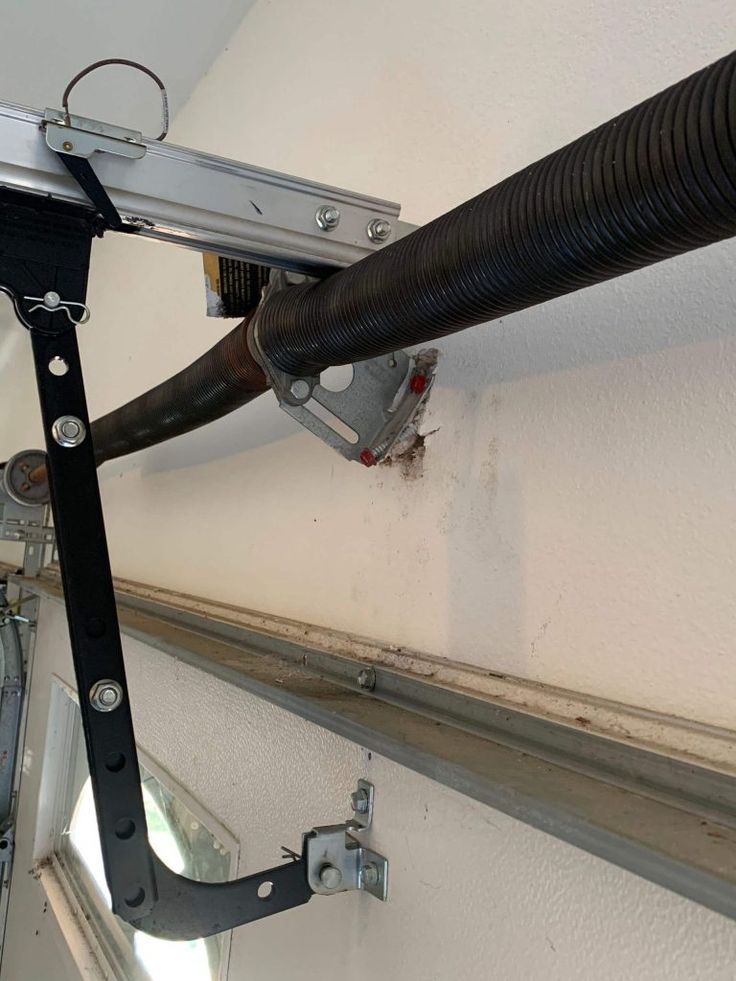
What Causes a Garage Door Cable to Fail?
A garage door cable does not break without reason, and in most cases, the damage accumulates gradually over time through daily stress, friction, and neglect until the cable can no longer support the weight of the door.
Here is what typically pushes a cable toward failure:
- Daily tension and friction against the drum and pulley wear the cable down over time
- Moisture and humidity cause rust and corrosion that weaken the metal strands
- A worn garage door spring forces the cable to carry more load than intended
- Misaligned components cause the cable to rub against parts it should never touch
- Skipping lubrication accelerates wear and shortens the life of the entire system
To understand how these stress factors lead to visible damage and system problems, read our guide on What Causes Garage Door Cables to Break?, which covers every major cause homeowners need to know before a full cable failure occurs.
Common Signs of a Failing Garage Door Cable
Frayed or Damaged Cable Strands
Frayed cable strands are one of the earliest visible indicators that your garage door cable has been pushed past its limit and needs immediate attention.
Watch for these warning signs along the cable:
- Broken or split strands are visible near the bottom bracket or the end of the cable
- Shaggy or unraveling sections where the wire has separated from the main cable body
- Sharp kinks or bends that have permanently set into the cable and will not straighten out
- Rust or discoloration on the metal strands points to moisture damage and brittleness
Ignoring even minor strand damage allows the cable to continue deteriorating until it can no longer support the full weight of the door.
Crooked or Unevenly Moving Door
Uneven door movement is a strong signal that one cable is losing tension faster than the other and throwing off the balance of the entire system.
Pay attention to these movement patterns:
- One side of the door rises noticeably higher than the other during operation
- Uneven door movement gets more pronounced with every open and close cycle
- Door panels appear to twist slightly along the tracks during travel
- Opening or closing stutters instead of flowing in one smooth, continuous motion
Catching uneven movement early prevents extra strain from spreading to the opener and other connected garage door components.
Slack or Loose Cables
Properly tensioned cables sit flush and taut at all times, so visible sagging or looping anywhere along the cable is a clear sign that the system has lost its balance.
Look for these indicators of cable slack:
- Cables are visibly hanging away from the drum instead of sitting under proper tension
- Loops or bends forming near the bottom of the door or along the side of the door
- The cable drum appears partially unwound or empty after a cycle
- The door feels unstable or wobbly when moved manually without the opener engaged
Slack cables are closely linked to spring-tension loss, and a broken garage door spring often pulls the cable out of position.
Unusual Noises During Operation
Sounds your garage door never used to make are often the first clue that something inside the cable system is failing before any visible damage appears.
Listen carefully for these during every cycle:
- Loud snapping or banging sounds coming from inside the garage during operation
- Grinding or scraping as the cable drags against the pulley system or nearby hardware
- Squealing that grows louder over time as fraying strands catch on garage door parts
- Rattling or clunking, specifically at the start of movement, points to a cable that has come loose
Keeping up with lubrication and hardware maintenance prevents friction and loose components from turning minor cable sounds into a full system breakdown.
Cable Jumping Off the Drum
A cable that has jumped off its drum disrupts the entire lifting mechanism and forces every other component in the system to compensate for the imbalance.
Watch for these signs that the cable has left the drum:
- Door stops mid-travel without any obstruction in the tracks or sensor interference
- One side of the door drops suddenly while the other side continues moving
- The cable hangs loosely near the drum area instead of sitting in its wound position
- Garage door opener hums or strains during a cycle, but fails to move the door
Stopping use immediately limits the risk of further damage to the opener, tracks, and spring system.
Rust or Corrosion on the Cable
Rust on a garage door cable goes beyond appearance and actively breaks down the metal strands until the cable can no longer handle its load.
Look for these corrosion indicators along the cable:
- Orange or brown staining along the strands, especially near the bottom bracket attachment points
- Flaking or pitting on the cable surface where metal is actively deteriorating
- Stiff sections that no longer flex freely during operation
- Discoloration near the pulley or drum, where moisture tends to collect
Humidity and temperature changes accelerate metal corrosion, making deteriorating cables one of the most common triggers of garage door emergencies.
Why These Warning Signs Should Never Be Ignored
Ignoring early cable warning signs puts the entire garage door system at risk and turns a minor issue into a costly repair.
Here is what can happen when warning signs go unaddressed:
- A failing cable forces the opener to work harder than intended, shortening its lifespan
- Extra strain transfers to the springs, tracks, and rollers, wearing them down faster
- A fully snapped cable can cause the door to drop suddenly, creating a serious safety hazard
- Small cable damage spreads to surrounding components, making repairs more extensive and expensive
Acting on warning signs early protects the entire system and prevents a straightforward cable fix from becoming a full garage door repair breakdown.
Garage Door Cable Repair vs. Replacement: Which Do You Need?
Not every cable issue calls for a full replacement, and knowing the difference helps you make a smarter decision before spending more than you need to.
| Repair | Replacement | |
| Cable Condition | Minor slack or jumped off the drum | Frayed, kinked, or fully snapped |
| Visible Damage | No visible strand damage | Multiple damage points along the cable |
| Cable Age | Relatively new with no wear pattern | Over 5 to 7 years old |
| Spring Condition | Springs still in good working condition | Springs are recently replaced or failing |
| Noise Level | Mild sounds during operation | Loud snapping or grinding during every cycle |
| Door Movement | Slight unevenness during operation | Severely crooked or completely stuck |
| Rust or Corrosion | None or very minimal | Visible rust along multiple points of the cable |
| Recommended Action | Reattachment or minor adjustment | Full cable removal and new cable installation |
To find out what the repair process actually involves and what to expect at each stage, read our guide on How to Fix a Broken Garage Door Cable, which walks through the most important steps homeowners need to know before calling a professional.
How to Keep Your Garage Door Cable in Good Shape
A few simple maintenance habits go a long way in extending the life of your garage door cable and preventing unexpected failures.
Here is what consistent cable maintenance looks like in practice:
- Inspect the cables visually at least twice a year for fraying, rust, or looseness
- Apply a silicone or lithium-based lubricant to the cable, drum, and pulleys every six months
- Test the door’s balance manually by disconnecting the opener and checking if it stays in place at the midpoint
- Tighten any loose set screws or hardware around the bottom bracket and drum during each inspection
- Contact a garage door technician at the first sign of wear before small issues escalate
To explore a comprehensive maintenance plan that prevents cable damage in the first place, read our guide on How to Prevent Garage Door Cable Damage, which covers every prevention step homeowners in Niles, IL should follow year-round.
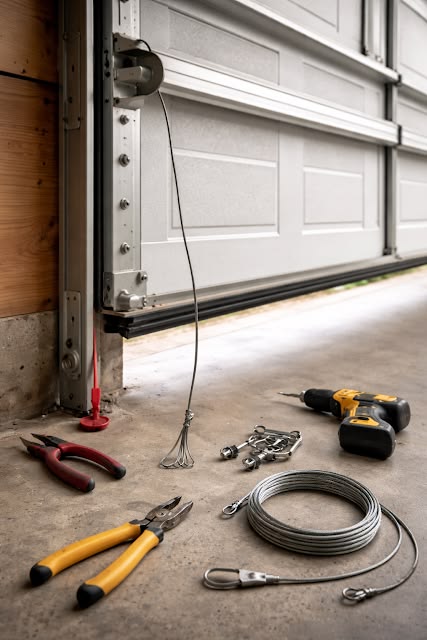
Don’t Wait for the Warning Signs of a Failing Garage Door Cable to Get Worse
A garage door cable that is starting to fail will always show signs before it breaks completely, and catching them early makes the fix far less costly. Frayed strands, unusual noises, and uneven movement are all indicators that your cable needs professional attention before the entire system is compromised.
MF Solutions provides reliable garage door cable repair and replacement services to homeowners throughout Niles, IL. Contact us or give us a call today, and our technicians will assess your garage door cable, identify the warning signs, and address the problem before it escalates.
Frequently Asked Questions
What are the signs that my garage door cable needs repair?
The most common signs include frayed strands, uneven door movement, slack cables, unusual noises, and a cable that has come loose from the drum. If you notice any of these, stop using the door and have it inspected immediately.
How much does it typically cost to repair or replace garage door cables?
Garage door cable repair cost varies depending on the extent of the damage and whether other components need attention at the same time. We recommend getting a professional assessment first to determine exactly what the repair involves.
Can I install a new garage door cable myself, and what tools will I need?
It is possible for experienced homeowners to attempt this, but the high tension involved makes it one of the more demanding home improvement projects. You will need winding bars, locking pliers, a socket set, safety glasses, and protective gear.
What types of garage door cables are available, and how do I choose the right one?
The two main types are torsion spring cables and extension spring cables, and the right choice depends on your door's spring system, weight, and height. Using the correct cable ensures proper installation and long-term performance.
Is it dangerous to operate a garage door with a broken cable?
Yes, operating a garage door with a broken cable puts extreme tension on the opener and other components. The door can fall suddenly or veer off track, creating a serious risk of injury or property damage.
Where can I buy durable garage door cables online or locally?
Garage door cables are available through hardware suppliers, home improvement stores, and online retailers. We recommend purchasing cables that match your door's exact specifications for compatibility and long-term performance.
What's the difference between a torsion spring cable and other garage door cables?
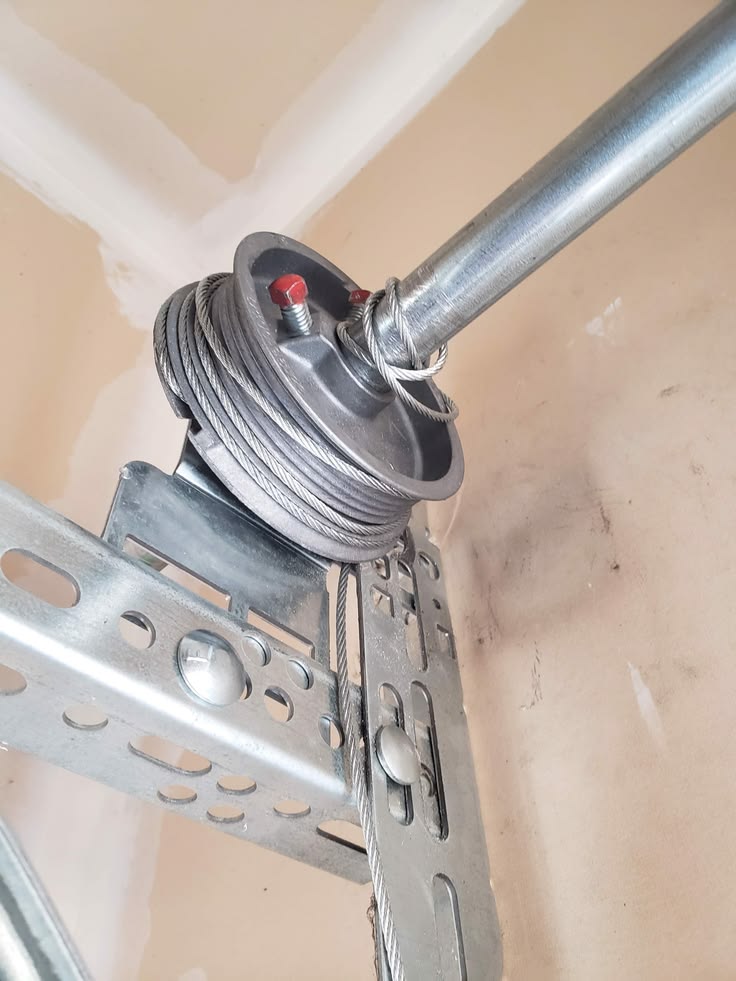
A torsion spring cable wraps around a drum mounted on the shaft above the door, while extension spring cables run along the sides through a pulley system. Each type works with a different spring system and requires a different installation approach.
How long does it typically take to repair or replace a garage door cable?
Most garage door cable repairs and replacements are completed within one to two hours by a trained technician. Jobs that involve additional components, such as the spring or drum, may take longer, depending on the overall condition of the system.
Are there step-by-step guides available for DIY garage door cable repair?
Yes, there are guides available online, but garage door systems involve high-tension components that can cause serious injury if handled incorrectly. For most homeowners, professional service is the more practical and secure option.