
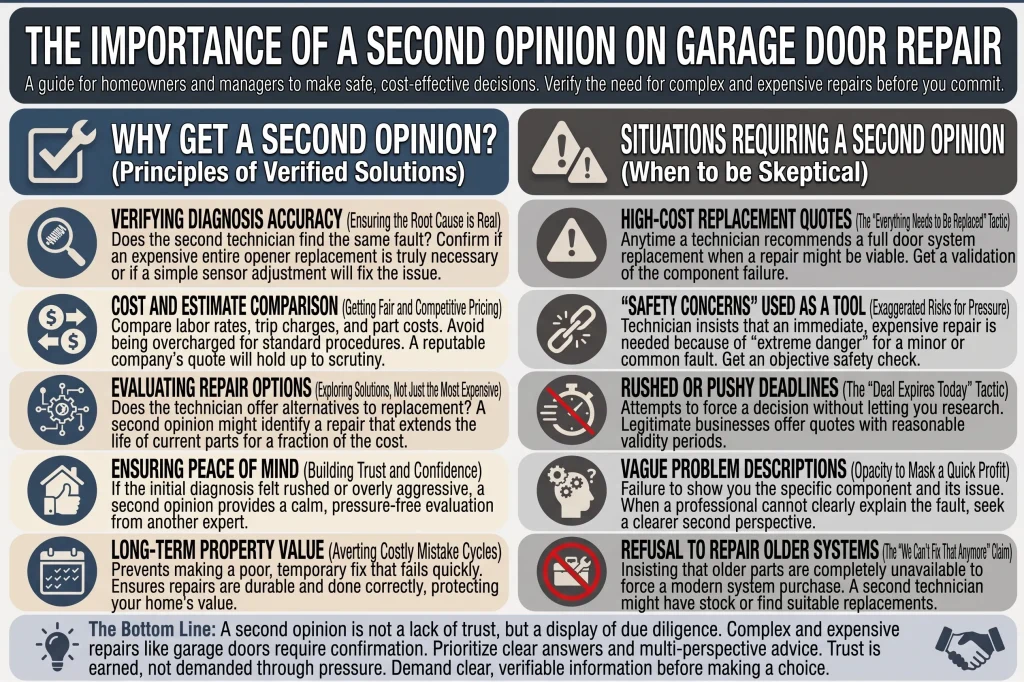
Garage door repair decisions become far more reliable once a second technician confirms whether a diagnosis and price actually reflect the real problem at hand. Getting an outside opinion takes little time but often prevents unnecessary work, missed safety issues, or a bill that never should have been that high.
Specific situations make this extra step worth the call, especially when a quote feels rushed, unclear, or heavier than similar jobs nearby. This guide breaks down what a legitimate second opinion looks like, when to seek one, and how it protects against common repair scams that rely on speed over scrutiny.
Key Takeaways
- Second opinions confirm whether the original diagnosis and price are accurate.
- Rushed estimates and vague explanations are strong signals worth a second look.
- Comparing quotes reveals whether pricing reflects the actual scope of work.
- Scammers often discourage second opinions specifically to avoid getting caught.
- Walking away from a repair offer is sometimes the safest available option.
What Counts as a Legitimate Second Opinion?
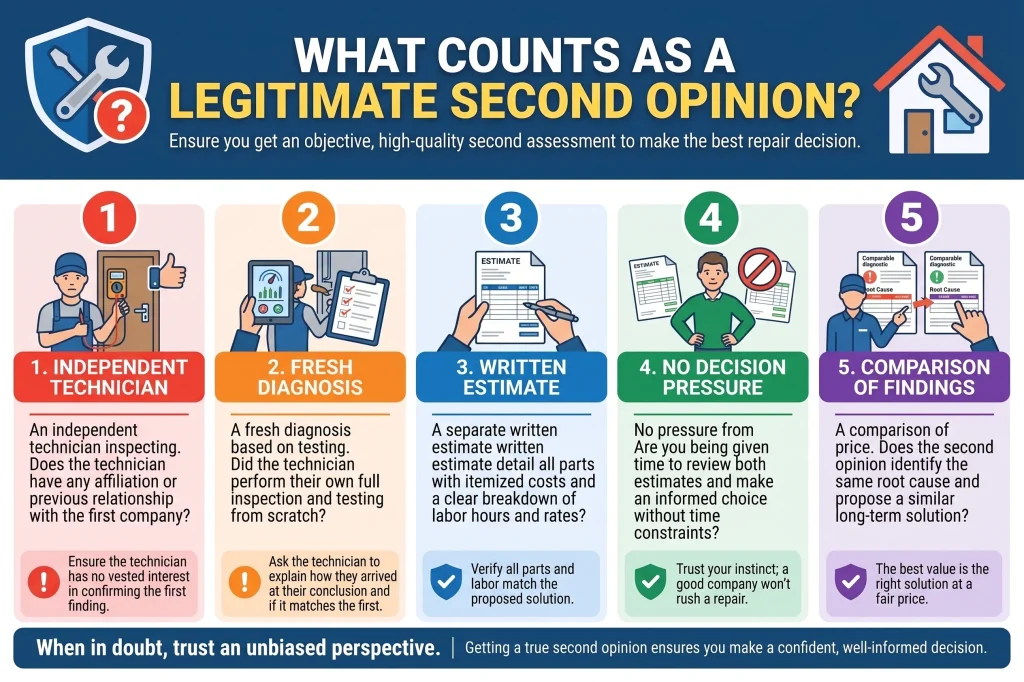
A legitimate second opinion means a technician examines the same problem without seeing the first company’s diagnosis or price beforehand.
These elements separate a real second opinion from a rushed comparison:
- An independent technician inspecting the door without prior bias.
- A fresh diagnosis based on direct testing, not the first company’s notes.
- A separate written estimate covering parts and labor.
- No pressure from either company to decide quickly.
- A comparison of findings, not just a comparison of price.
Getting this kind of independent review gives homeowners something concrete to compare against the original quote before approving anything.
When Should Homeowners Actually Seek a Second Opinion?
Quotes involving garage door opener repair that feel rushed or unusually high often signal the right moment to call a second company before approving anything.
Few specific situations call for this extra step:
- The estimate includes several replaced parts with no clear explanation.
- Pricing feels significantly higher than similar garage door repair jobs in the area.
- The technician pressures you to approve immediately without a written breakdown.
- Something about the diagnosis feels vague or inconsistent.
- The repair involves a major cost, like a full opener replacement.
Calling before approving any work protects you from decisions made under pressure, especially when the total feels rushed or unusually high.
Why Does a Second Opinion Matter Before Any Garage Door Repair?
Value comes from confirmation, since a second opinion turns an uncertain decision into one backed by more than a single source.
| Reason | What It Confirms | Why It Matters |
| Confirms the Original Diagnosis | Whether the named cause is accurate | Prevents paying for a repair that never addresses the real problem |
| Reveals Pricing Discrepancies | Whether the quoted price is fair | Protects against inflated charges tied to a single source |
| Protects Against Unnecessary Repairs | Whether all listed parts actually need replacement | Avoids paying for work the door never required |
| Verifies Technician Credentials | Whether the company is licensed and insured | Confirms legal accountability behind the repair |
| Provides Leverage in Negotiations | Whether the original price can reasonably be adjusted | Gives homeowners a factual basis for pushback |
Comparing findings against a documented second-opinion standard confirms whether the original diagnosis holds up under independent review.
Confirms the Original Diagnosis
Removing the guesswork tied to trusting a single technician’s word starts with confirming the diagnosis through an independent source.
Second technicians typically check these specific points:
- The named part actually shows visible wear or damage.
- Other components were properly ruled out during testing.
- The explanation given matches what testing actually shows.
- The diagnosis accounts for the full symptom, not just part of it.
- Documentation supports the claim made on-site.
Two independent sources confirming the same diagnosis carry far more weight than one technician’s opinion alone, especially in a dispute.
Reveals Pricing Discrepancies
Comparing two estimates side by side often reveals whether a quoted price reflects fair, standard garage door repair costs for the work involved.
Pricing discrepancies tend to show up in a few specific ways:
- A significant gap in the total cost for the same repair.
- Different labor rates for comparable on-site time.
- Parts priced well above typical retail or wholesale cost.
- Bundled fees that one company itemizes and another does not.
- A rushed total with no breakdown between parts and labor.
These gaps give homeowners a factual basis to question the original price and request a clearer explanation before paying anything.
Protects Against Unnecessary Repairs
Bundling unrelated parts into a garage door spring repair sometimes happens when nothing beyond the original issue actually needed attention.
Second opinions tend to catch these unnecessary additions:
- Parts listed as damaged with no visible wear during independent testing.
- A full system overhaul recommended for a single, isolated issue.
- Components replaced that show no signs of failure under inspection.
- Pressure to approve extra work beyond the original complaint.
- A diagnosis that expands significantly between the first and second visit.
Identifying these additions before approval keeps the repair focused on what the door actually needs, without paying for work it never required.
Verifies Technician Credentials
Licensing and insurance status matter because hiring an unaccountable technician creates real risk if something goes wrong.
Second opinions often include confirming these details directly:
- Proof of a current, valid contractor license for the state.
- Documentation of liability insurance covering the work performed.
- A verifiable business address separate from a listed service area.
- Independent reviews across more than one platform.
- Confirmation the technician represents the company named on the estimate.
Verified credentials protect homeowners from working with an operator who carries no real accountability if the repair fails.
Provides Leverage in Negotiations
Requesting a price adjustment from the original company works far better once a documented second opinion backs the request.
This leverage tends to work in a few specific ways:
- A lower competing quote supports a direct request for a price match.
- A different diagnosis raises questions the first company must address.
- Written documentation strengthens any dispute over the final invoice.
- A credible alternative removes pressure to accept the first offer.
- Confidence in the numbers replaces uncertainty during the conversation.
Documented evidence carries far more negotiating weight than uncertainty alone, especially once the numbers get questioned directly.
How Scammers Discourage Homeowners From Getting a Second Opinion
Dishonest operators turn routine repairs into garage door emergencies because urgency discourages a call to a second company.
These tactics discourage a second opinion specifically:
- Warning that a delay risks further damage to the system.
- Framing a competing quote as a waste of valuable time.
- Refusing to leave the property until a decision gets made.
- Claiming the same discounted rate will not apply again later.
- Dismissing any request to call another repair company for comparison.
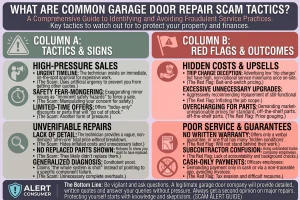
To trace which tactics repeat across reported scam cases from the first call to the final invoice, read our guide on What Are Common Garage Door Repair Scam Tactics?, which breaks down every pattern scammers rely on.
Signs an Estimate Deserves a Second Look
Comparing a quoted total against documented pricing benchmarks helps homeowners recognize when an estimate has drifted from what the repair should reasonably cost.
Few warning signs appear across most inflated estimates:
- No itemized breakdown between parts and labor costs.
- A diagnosis that expands significantly once work begins.
- Pressure to approve the total before receiving anything in writing.
- Vague part descriptions with no brand or model listed.
- A price that shifts substantially once the technician arrives on-site.
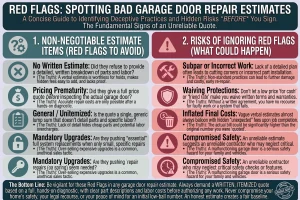
To walk through every specific red flag worth checking line by line on a written estimate before approving any total, read our guide on Red Flags That Appear in a Garage Door Repair Estimate, which covers each warning sign in practical, actionable detail.
What to Do Before Accepting or Declining a Repair
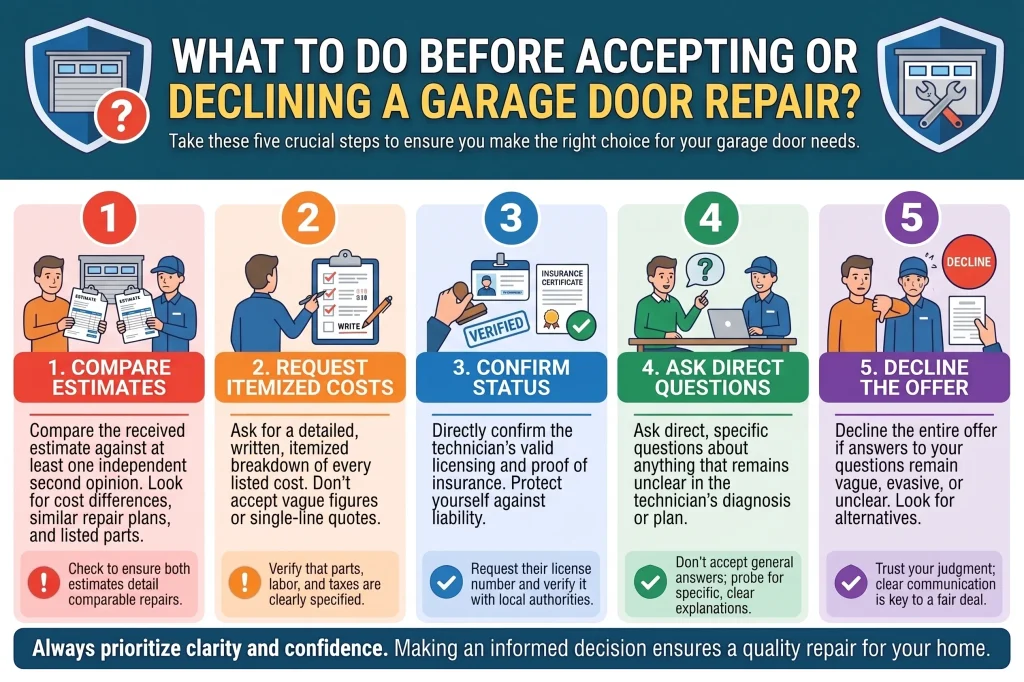
Major decisions involving garage door installation or significant repair work deserve the same careful approach before you commit.
A few steps clarify the decision before signing anything:
- Compare the estimate against at least one independent second opinion.
- Request a written, itemized breakdown of every listed cost.
- Confirm the technician’s licensing and insurance status directly.
- Ask direct questions about anything unclear in the diagnosis.
- Decline the offer entirely if answers remain vague or evasive.
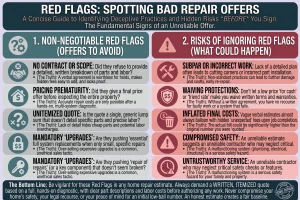
To understand when walking away is the smartest option, read our guide on When Is It Time to Walk Away From a Repair Offer?, which covers the clearest warning signs to watch for.
A Second Opinion Protects Every Garage Door Repair Decision
Independent verification turns an uncertain repair decision into one backed by more than a single company’s word, giving homeowners real evidence instead of a rushed promise. Protecting the budget, household safety, and confidence in the final outcome starts with this one extra step, taken before any money changes hands.
MF Solutions works with homeowners throughout Niles, Illinois, to confirm every diagnosis before recommending a garage door replacement or repair, no matter how big or small the job seems. Contact us or give us a call today, and let our trained team provide a second opinion you can trust from the very first phone call.
Frequently Asked Questions
How long does getting a second opinion typically take?
Scheduling a second opinion usually takes a day or two, depending on technician availability in the area. Waiting this short time rarely causes further damage to a door that isn't a genuine emergency.
Is it normal to get two very different diagnoses?
Occasional differences in diagnosis can happen, especially when one technician checks the sensors and moving parts more thoroughly than another. Requesting a clear explanation from both technicians usually reveals which diagnosis holds up under scrutiny.
Can a second opinion void a warranty on prior work?
Getting a second opinion does not typically void a warranty, since it involves inspection rather than repair work. Confirming this detail with the original company provides peace of mind and avoids later confusion.
Should every garage door repair include a second opinion?
Minor repairs with a clear, reasonable estimate may not always require a second opinion before approval. Larger jobs, like a full new installation, a new garage door, or major broken spring replacement, benefit most from this extra verification step.
What if a technician discourages calling another company?
Discouraging a second opinion is a warning sign worth taking seriously, since reputable technicians rarely object to comparison. Requesting one anyway protects against approving a repair based on pressure alone.
Does a second opinion delay emergency repairs unnecessarily?
Genuine emergencies, like a door with moving parts that jam and compromise home security, may not allow time for a second opinion. Most situations described as emergencies are far less urgent than the pressure suggests.
How can homeowners find a reliable second company to call?
Checking independent reviews across multiple platforms usually reveals which garage door openers and repair companies have a consistent, trustworthy reputation. Asking neighbors or checking local business registries also helps confirm legitimacy.
What should homeowners bring to a second opinion visit?
Bringing the original written estimate and any notes from the first visit helps the second technician compare findings directly, especially if durable parts get questioned for premature failure. This documentation speeds up the process and quickly clarifies any discrepancies.
Is a verbal second opinion enough, or should it be in writing?
A written second opinion holds far more weight than a verbal one if a dispute over pricing or diagnosis arises later. Requesting documentation protects both the homeowner and the second company’s credibility.