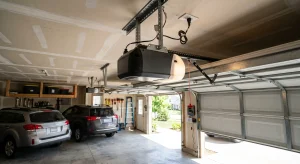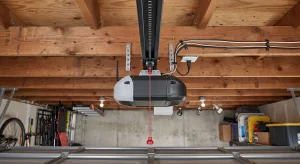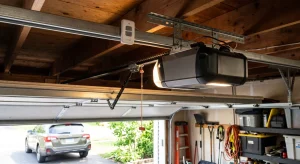

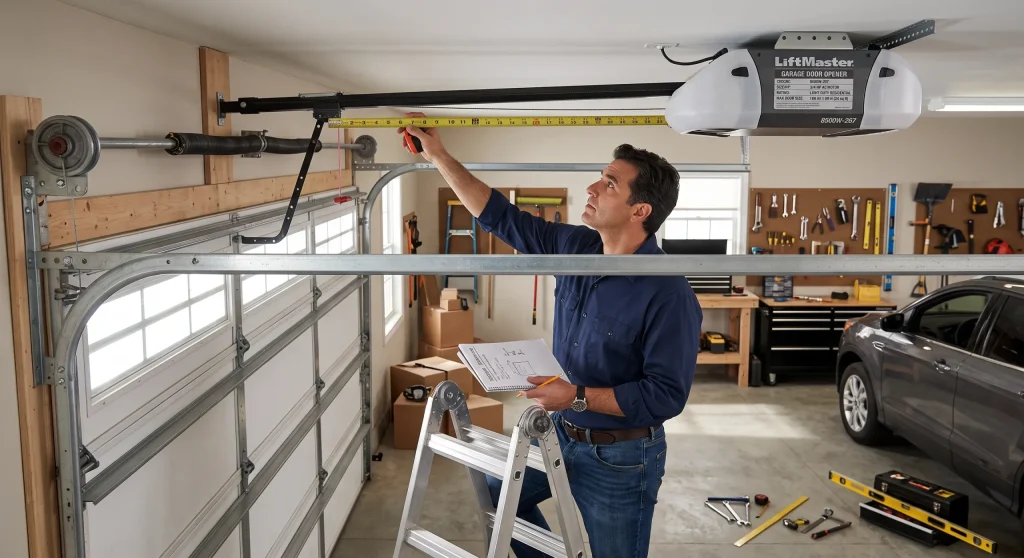
The correct garage door opener size for a double door is typically ¾ HP, though doors made from solid wood, insulated steel, or heavier materials often require 1 HP or more to operate without straining the motor. Door weight, width, and material are the three factors that determine which power rating fits a double door setup correctly.
A garage door opener that falls short on horsepower will strain during every cycle, wear out faster, and demand more maintenance than one properly matched to the load. Evaluating door weight, material type, and usage frequency before purchasing ensures the opener performs consistently for years without premature breakdown.
Why Determining the Right Garage Door Opener Size Matters
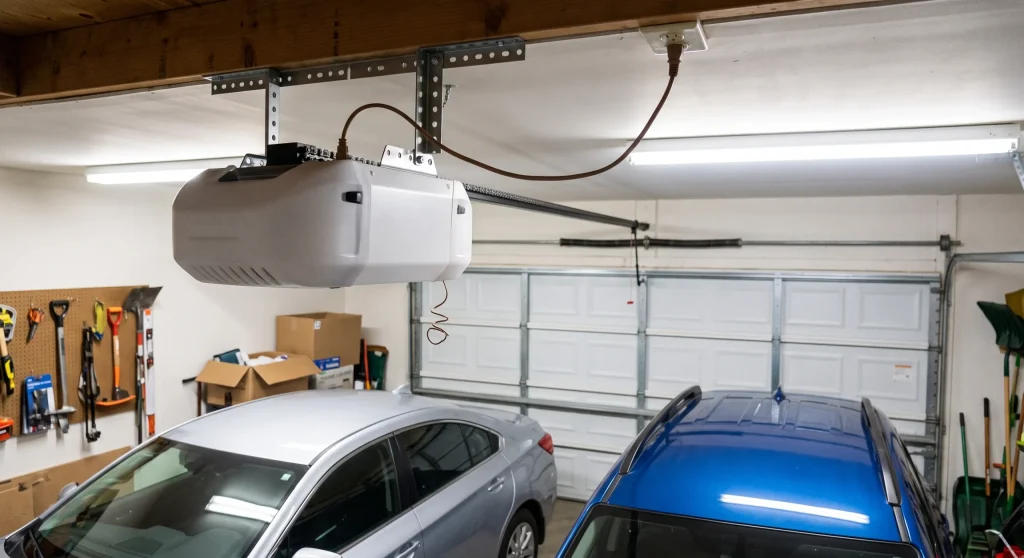
An opener that is too small for a double door will strain the motor on every cycle, cause the door to move unevenly, and wear out significantly faster than one that is properly matched to the door’s weight and width.
Common consequences of choosing the wrong opener size include:
- Motor overheats from running beyond its rated capacity every cycle
- The door hesitates or moves slowly due to insufficient horsepower for the load
- Springs and cables wear faster from the added stress of an unbalanced door
- Noise increases steadily as components degrade under constant strain
- Opener fails ahead of schedule and requires full replacement sooner than expected
To avoid a sizing mistake before purchasing, read our guide on How to Check Garage Door Opener Size Before Buying, which explains exactly which measurements and ratings to verify before choosing an opener.
How Garage Door Opener Size and Horsepower Differ
Garage door opener size and horsepower measure different things, and knowing the distinction leads to a smarter purchasing decision.
| Garage Door Opener Size | Horsepower | |
| What It Measures | Physical dimensions and drive rail fit | Motor lifting power output |
| What It Affects | How the unit mounts within the ceiling clearance | Whether the opener can handle the door’s weight |
| Why It Matters | Determines installation compatibility | Determines long-term performance and motor lifespan |
| Common Mistake | Focusing only on size when shopping | Ignoring the horsepower rating for heavier doors |
| For Double Doors | Must fit the track and ceiling height | Must meet the power demand of a wider, heavier door |
To compare how these specs play out for double doors specifically, read our guide on Garage Door Opener Size vs. Horsepower: What Matters?, which breaks down how each measurement affects longevity.
Does Opener Size Affect Garage Door Performance?
An opener that does not match the door’s weight and size causes performance problems that worsen with each cycle, shortening the system’s overall lifespan.
Common ways a mismatched opener affects garage door performance include:
- Motor strains on every cycle when the horsepower falls short of the door’s weight
- The door moves slowly or hesitates due to insufficient lifting power
- An unbalanced door accelerates wear on springs, cables, and the drive mechanism
- Energy consumption rises as the motor works harder to complete each cycle
- Noise level rises steadily as components degrade under repeated mechanical stress
To learn how a mismatched opener damages the entire system over time, read our guide on Does Garage Door Opener Size Affect Performance?, which covers how sizing errors affect everything from the motor to the hardware.
Common Garage Door Opener Sizes and What They Handle
Horsepower tiers cover a specific range of door types, and selecting the correct one prevents both underperformance and unnecessary cost.
| Opener Size | Best For | Limitation |
| ½ HP | Lightweight aluminum single doors with perfect spring balance | Struggles with double doors, insulated or heavier materials |
| ¾ HP | Standard insulated steel double doors in most residential settings | Not ideal for solid wood or heavily customized doors |
| 1 HP | Solid wood, glass panel, or wind-load-rated double doors | Overkill for standard steel or aluminum doors |
| 1¼ HP to 1½ HP | Oversized, heavily customized, or commercial-grade residential doors | Higher upfront cost than standard residential openers |
A garage door opener size chart like this helps homeowners match the correct power tier to their door type before making a purchase.
Ideal Garage Door Opener Size for a Double Door
¾ HP — the Recommended Starting Point for Double Doors
¾ HP delivers the right balance of lifting power and motor longevity for most standard double door setups.
Reasons ¾ HP works best for standard double doors include:
- Handles standard insulated steel double doors in most residential settings
- Keeps the motor within a comfortable operating range during daily cycles
- Produces smoother operation than ½ HP units under similar loads
- Works across steel doors and lightweight wood panels without strain
- Avoids consistent operation near maximum capacity, extending motor life
Garage door repair calls drop significantly when the motor is matched to the door’s weight and stays within its operating range on every cycle.
1¼ HP to 1½ HP — When Heavy Materials Require More Power
Doors built from solid wood, heavy steel, or glass panels require higher-horsepower motors to operate without overworking the drive system.
Door types and conditions that call for 1¼ HP to 1½ HP include:
- Solid wood doors carry significantly more weight than standard steel alternatives
- Glass panel doors add a substantial load that exceeds ¾ HP capacity
- Wind-load rated doors include additional bracing that increases door weight
- Heavier materials across a full double door width amplify total motor demand
- Maintains quieter operation even under consistently increased load
Heavy door materials demand a motor built for the load, and skipping that match is what drives premature garage door replacement on otherwise functional systems.
½ HP — When It Works and When It Falls Short
½ HP can operate a double door only under very specific conditions that most residential setups do not meet.
Conditions that determine whether ½ HP is a viable option include:
- Works only with non-insulated, lightweight aluminum doors in perfect spring balance
- A near-perfect spring balance is required for the motor to complete each cycle
- Frequent daily use accelerates motor wear in underpowered configurations
- Adding insulation or heavier materials pushes the motor past its functional threshold
- Upgrading from ½ HP is one of the most common opener replacement scenarios
Forcing a ½ HP motor beyond its threshold on a heavy double door accelerates wear and sets the stage for a garage door emergency mid-cycle.
What Double Door Specs Determine the Opener Size Needed
Measuring the door before shopping prevents a mismatch between the opener’s rated capacity and the actual load it must handle every cycle.
Key specs that determine the correct opener size for a double door include:
- Non-standard dimensions beyond 16 feet wide push the required horsepower higher
- Door material determines average weight, with solid wood demanding more than aluminum
- Insulated doors weigh 20 to 30 percent more than non-insulated versions
- Wind-load-rated doors carry additional bracing that increases the total motor load
- Glass panels or decorative overlays add weight beyond standard door calculations
Confirming all three specs before selecting an opener ensures the horsepower rating matches the door’s full demand from day one.
Factors to Consider When Choosing a Garage Door Opener Size
Overlooking key variables beyond door weight leads to a mismatch that affects long-term performance from the first cycle onward.
Key factors to evaluate when choosing a garage door opener size include:
- Daily cycle frequency determines how hard the motor works over its lifespan
- Drive type affects noise level, maintenance needs, and how power reaches the door
- Smart garage door opener compatibility requires checking horsepower availability across connected models
- Ceiling clearance and track configuration affect which opener dimensions fit the space
- DC motors deliver quieter operation and smoother performance than older AC motor models
Evaluating all of these factors alongside horsepower leads to a complete selection that matches both the door and the household’s specific needs.
Why Professional Sizing Matters for Double Door Opener Replacement
Incorrect opener sizing on a double door replacement leads to performance problems that a professional assessment prevents from the start.
Reasons professional sizing matters for double door opener replacement include:
- Technicians measure door weight, material, and balance before making any recommendations
- Assessment accounts for insulation, drive type, and daily cycle frequency
- Incorrect sizing identified early prevents a second replacement shortly after
- Pros match the opener to springs, cables, and track configuration
- Properly sized opener installed correctly performs consistently without frequent servicing
Getting the sizing right from the start keeps the installation performing consistently and eliminates the need for repeated attention down the line.
Find the Right Size Garage Door Opener for a Double Door With Professional Help
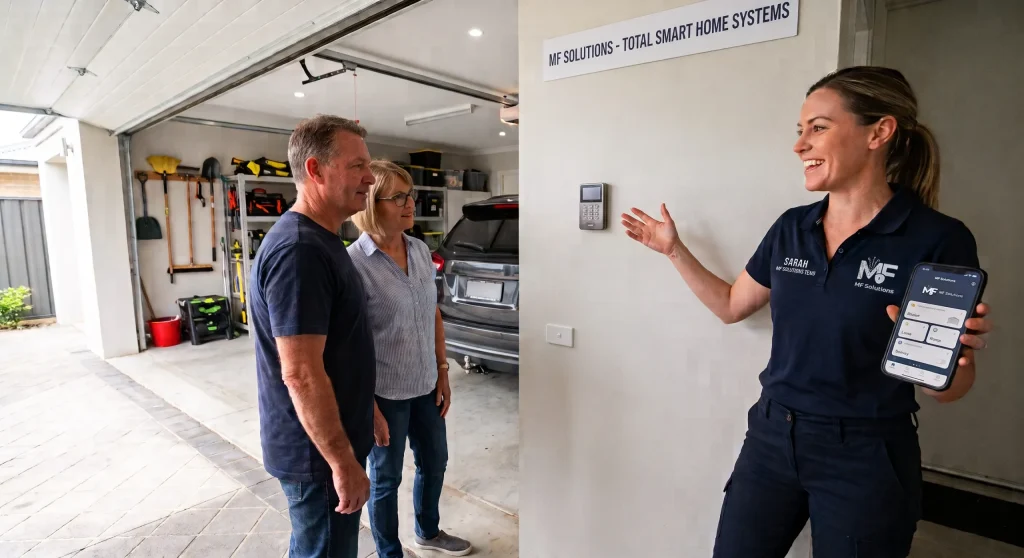
Picking the correct garage door opener size for a double door means evaluating horsepower, door weight, material, and daily usage patterns before making a purchase. Getting that match right from the start keeps the motor running efficiently and the full system performing without interruption for years.
MF Solutions brings the hands-on experience and product knowledge to match the correct opener size to any double door setup in Niles, IL. Contact us or give us a call today, and let our team assess the door weight, material, and horsepower requirements to get the sizing right the first time.
Frequently Asked Questions
What horsepower garage door opener is recommended for a single-car garage?
A ½ HP opener is suitable for most single-car garage doors made from standard materials. A single door made of heavier materials benefits from a ¾ HP unit to maintain smooth, consistent operation.
Are different opener sizes required for heavy garage doors, like steel or wood?
Yes, heavier garage doors made from steel or wood require more horsepower than lightweight alternatives. Steel doors generally need ¾ HP, while solid wood or heavily insulated doors often require 1 HP or higher to operate without straining the motor.
Can a garage door opener be too powerful for my garage door?
No, an opener with more horsepower than needed will not damage the door. Matching the opener to the door's actual weight and size is more cost-effective than significantly oversizing the motor.
How does the size and weight of my garage door affect the opener I should choose?
Door weight is the primary driver of garage door opener horsepower selection. A heavier door requires more power to lift consistently, and door size determines the surface area and total load the opener must handle in each cycle.
Is there a standard size for garage door openers, or do they vary by model?
No, garage door openers vary by model in terms of horsepower, drive type, and physical dimensions. Matching the opener to the specific door is essential before purchasing any unit.
What considerations should I keep in mind when buying a garage door opener for a double door?
Focus on door weight, material, insulation level, and how often the door is used each day. A garage door opener for double door applications starts at ¾ HP and steps up based on door material and total weight.
Does the size of the opener affect installation requirements?
Yes, physical dimensions and drive type affect how the opener mounts to the ceiling and connects to the door. Taller garage ceilings or non-standard track configurations may require specific opener models to install correctly.
Are there any garage door opener sizes that are best for frequent use?
Yes, openers rated at ¾ HP or higher handle frequent daily cycles better than single garage doors running on ½ HP models. Higher-horsepower units with high duty-cycle ratings are the best option for households that use the garage door many times per day.
Where can I find a buying guide to help choose the right garage door opener size?
A garage door opener replacement project starts with measuring the door, noting its weight, and identifying its material before comparing product specs. We provide expert sizing consultations to help homeowners choose the correct opener without guesswork.