
Garage door opener size determines whether the unit fits the door physically, while horsepower determines whether the motor can handle the weight of that door over thousands of cycles. Both specs matter equally, and choosing the right garage door opener starts with understanding exactly what each one controls.
A unit that is physically mismatched to the door will not complete a full open or close cycle no matter how powerful the motor is. Knowing how size and horsepower work together is the foundation of picking an opener that fits the opening, handles the load, and holds up under daily use for years.
Why the Difference Between Size and Horsepower Matters
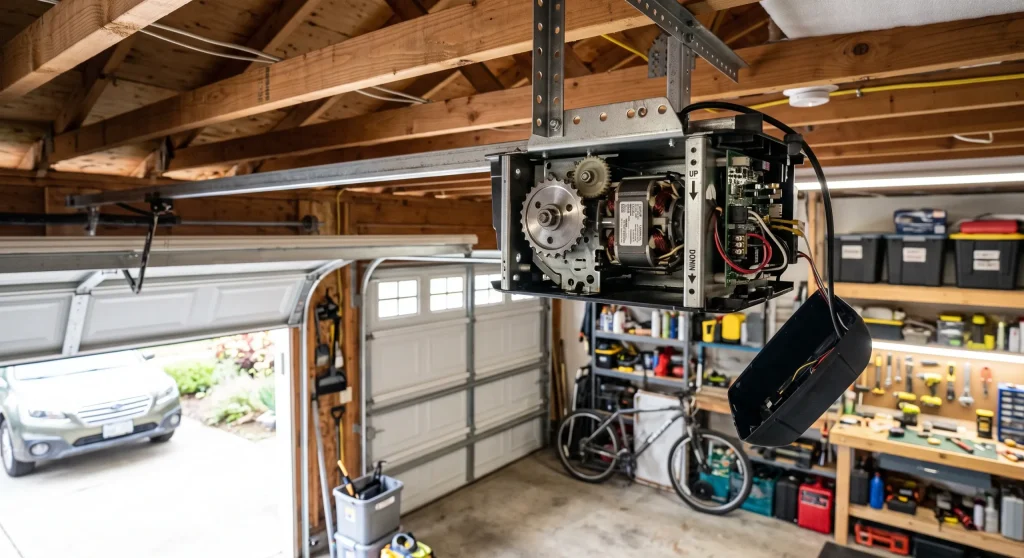
Garage door opener size and horsepower each control a different part of the system, and a mismatch in either one leads to installation problems, mechanical strain, or premature failure that compounds with every use.
What happens when either spec is ignored:
- A shorter-rated unit cannot complete a full travel cycle on a taller opening
- Underpowered motors overheat and wear out faster than their rated lifespan
- Oversized rail systems create clearance conflicts with the ceiling or framing
- Motors without enough horsepower lose consistent newton force per cycle
- Mismatched specs void warranties and limit future replacement options
To understand how size and horsepower fit into choosing the right opener for a larger opening, read our guide on What Size Garage Door Opener for a Double Door?, which covers every key spec behind a properly matched double door setup.
Key Differences Between Garage Door Opener Size and Horsepower
Size and horsepower are two separate specs that control completely different aspects of how a garage door opener fits and functions.
| Feature | Size (Dimensions) | Horsepower (HP) |
| Definition | The height and width of the door opening and the rail length required | The output power of the electric motor |
| What It Measures | Physical clearance needed and track or rail length | The amount of force available to lift the door weight |
| Primary Factor | Vehicle size, available garage space, and layout | Door material, total weight, and daily usage frequency |
| If Incorrect | The door physically will not fit the opening or close properly | The motor will burn out early, make excess noise, or struggle to lift |
Understanding where each spec applies is what makes it possible to choose a garage door opener that installs correctly and performs consistently over time.
What Determines the Right Garage Door Opener for a Home
Horsepower Recommendations by Door Type
Matching horsepower to door type is the most direct way to keep the motor running within its design range across thousands of cycles.
Recommended horsepower by door type:
- 1/2 HP suits lightweight aluminum doors and non-insulated single garage doors
- 3/4 HP handles double doors, insulated steel, and single solid wood doors
- 1 HP to 1.25 HP covers oversized doors, carriage-house styles, and heavy custom doors
- 1.5 HP and above applies to extra-heavy doors beyond standard residential sizing
- DC motors deliver quieter operation and smoother starts than traditional AC units
Running the wrong horsepower for the door type long enough will accelerate wear to the point where garage door replacement becomes the only viable option.
Door Weight, Balance, and Usage Frequency
Door weight is the single most important variable when selecting the right horsepower, and balance determines how much of that weight the motor actually carries per cycle.
What to assess before choosing:
- Worn springs increase motor load by reducing their offset against door weight
- Balanced doors feel like 10 to 15 pounds when lifted manually
- Insulation panels add total weight beyond the door’s original rating
- High daily usage cycles build motor heat faster
- Frequency of use matters as much as door weight when determining appropriate horsepower
Ignoring weight and balance issues long enough pushes the opener and the door toward garage door repair well before either reaches the end of its expected lifespan.
Drive Type and Its Impact on HP
Drive type changes how power reaches the door and directly influences which horsepower rating performs best for a given setup.
Drive types and how they connect to HP selection:
- Chain drive pairs naturally with higher horsepower for heavier doors
- Belt drive suits attached garages where quiet operation matters
- Screw drive performs consistently across temperature changes with fewer moving parts
- Direct drive runs along the rail itself with minimal vibration
- Jackshaft drive works best in garages with low ceiling clearance
A mismatched drive type and horsepower combination can cause sudden operational failures that escalate into a garage door emergency without much warning.
What Actually Matters When Choosing a Garage Door Opener
Both size and horsepower play a non-negotiable role, and prioritizing one while overlooking the other leads to a system that cannot perform as expected.
What to prioritize when choosing an opener:
- Door height and width must match the rail length and unit dimensions first
- Door weight and material determine the minimum horsepower for consistent daily operation
- Usage frequency influences whether standard or higher horsepower fits the household
- Drive type affects noise level and how horsepower is delivered each cycle
- Smart garage door opener models need confirmed size and HP compatibility before adding connectivity features
Confirming both specs before purchase is what separates an opener that fits and performs from one that strains and fails ahead of schedule.
What Happens When Size or Horsepower Is Wrong
A mismatched opener creates mechanical problems that compound with every cycle until the system breaks down entirely.
What goes wrong when either spec is off:
- A size mismatch prevents the door from completing a full open or close cycle
- Wrong horsepower causes the motor to overheat ahead of its rated lifespan
- Incorrect rail length creates clearance conflicts with the ceiling or framing
- An underpowered motor loses lifting force, causing the door to hesitate or reverse
- Mismatched specs accelerate wear on rollers, hinges, and the drive system
To confirm the correct opener size before a mismatch creates bigger problems, read our guide on How to Check Garage Door Opener Size Before Buying, which covers every measurement and compatibility check needed before purchase.
How Professionals Determine the Right Opener Size and Horsepower
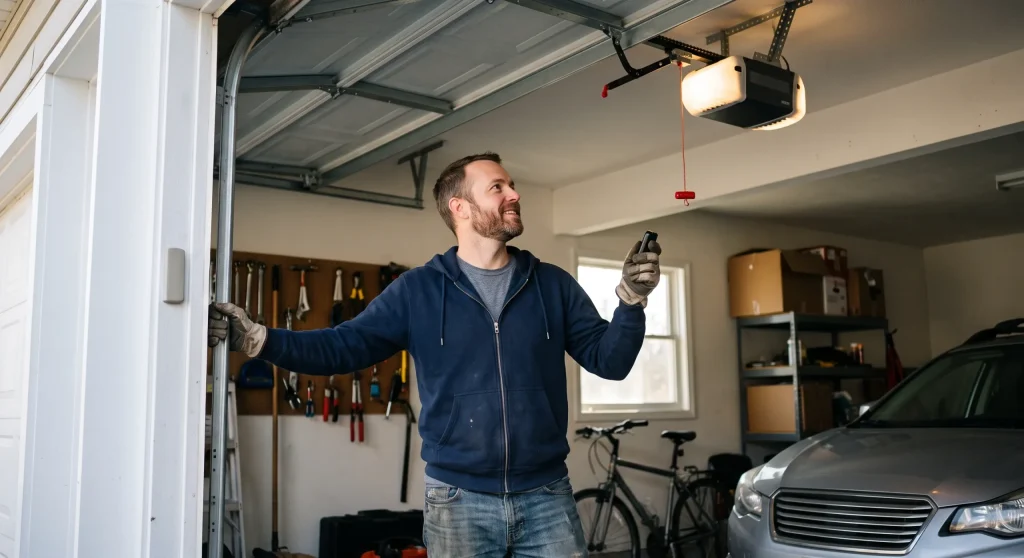
Professionals follow a specific assessment process that removes the guesswork from both size and horsepower selection before any unit is recommended.
What a professional evaluation covers:
- Door height, width, and weight are measured to confirm the right size garage door opener
- Spring balance is tested to determine the actual load the opener carries per cycle
- Ceiling clearance and framing are inspected for physical size compatibility
- Daily usage patterns are reviewed to determine the appropriate horsepower rating
- Smart garage door compatibility is checked when app control or remote monitoring is needed
To explore how opener size directly influences daily performance and long-term reliability, read our guide on Does Garage Door Opener Size Affect Performance?, which explains how size impacts every stage of the opener’s operation.
Garage Door Opener Size and Horsepower Both Matter More Than Most Homeowners Realize
Garage door opener size and horsepower are two distinct specs that each determine a different aspect of how well the system fits, lifts, and holds up under daily use. Picking the wrong one creates problems that compound over time, and getting both right from the start is what keeps the opener running efficiently for years.
MF Solutions specializes in matching the right opener size and horsepower to every door type in Niles, IL, from lightweight single-car setups to heavy custom installations. Contact us or give us a call today, and let our team assess the door and recommend the opener that fits the opening and handles the load correctly.
Frequently Asked Questions
Does the hp motor rating change based on how often the garage door is used daily?
Yes, usage frequency directly affects which hp motor rating fits best. Households with high daily cycle counts generate more motor heat, and sizing up to higher horsepower motors reduces that heat buildup and extends the opener's operational life.
What is the difference between a 1/2 hp and 3/4 hp garage door opener in real use?
A 1/2 hp opener handles lighter doors like aluminum doors and standard non-insulated single garage doors without strain. A 3/4 hp opener is the better choice for heavier doors made from heavier materials like insulated steel or solid wood, where less power would cause the motor to overwork on every cycle.
How do I know if my current opener has enough horsepower for the door?
Determining what size garage door opener do I need requires testing the door's balance manually and comparing the door weight to the opener's rated capacity. An opener without enough horsepower will hesitate when lifting, run louder than normal, and trip its thermal overload frequently.
Is a garage door opener size chart useful when upgrading an existing opener?
Yes, a garage door opener size chart is one of the most practical tools when planning an upgrade. It cross-references door height, width, and average weight against recommended unit sizes and horsepower ratings, which makes the garage door opener replacement process more accurate and reduces the risk of choosing the wrong unit.
What makes a smart garage door opener different in terms of size and horsepower requirements?
A smart garage door opener needs the same size and HP compatibility as a standard unit, but also draws additional power for smart features like remote control access and real-time alerts. Confirming the hp garage door opener rating covers both the door weight and connectivity demands is a key factor before purchase.
Do chain drive openers require more horsepower than belt drive openers?
Yes, garage door opener horsepower requirements tend to run higher for chain drive openers because of how they transfer load mechanically. Belt drive openers deliver smoother operation with less mechanical resistance, handling similar door weights with slightly less power while maintaining quieter operation.
How does an unbalanced door affect the horsepower requirement?
An unbalanced door forces the opener to carry more of the door's weight than the springs are offsetting, which increases the effective load on the motor with every cycle. Even a right size garage door opener will wear out faster than expected when the door's weight is not properly distributed across the spring system.
What role does door material play when choosing between horsepower ratings?
Door material directly determines how much horsepower the opener needs since different materials carry very different average weight per square foot. Steel doors and solid wood doors require higher horsepower, while aluminum doors work well with less power without straining the motor.
How does choosing the wrong horsepower affect long-term garage door systems performance?
Running the wrong horsepower puts the motor outside its design range on every cycle, which accelerates wear across the entire system. Stronger motors matched correctly to the door support reliable operation, fewer repairs, and lower energy consumption over the full lifespan of the opener.