
Smart garage door openers are built to make daily life easier, but they rely on a combination of mechanical parts, electrical components, and a stable Wi-Fi connection to function properly. When any one of those elements breaks down, the entire system can stop working without warning.
Knowing what causes smart garage door openers to fail helps homeowners respond quickly instead of guessing what went wrong. The causes range from simple connectivity issues to serious mechanical failures, and each affects the garage door opener differently.
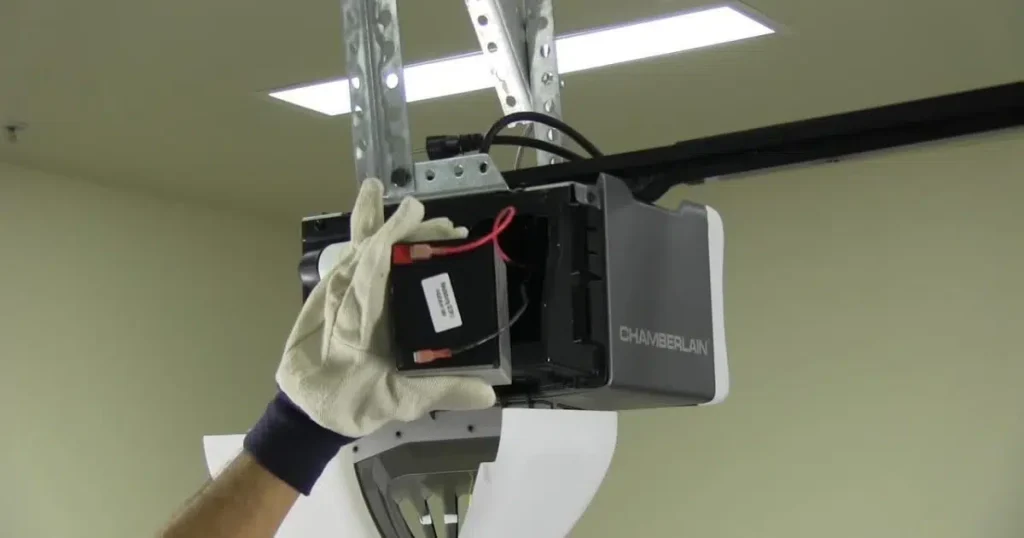
How Smart Garage Door Openers Work
A smart garage door opener connects to your home Wi-Fi, communicates through a smartphone app, and integrates with smart home devices to give homeowners a level of control that traditional openers cannot match.
Here is what makes up a smart garage door opener system:
- A Wi-Fi module that keeps the opener connected to the home network.
- A door sensor that tracks whether the garage door is open or closed.
- Smart controller that processes app commands, voice control, and remote inputs.
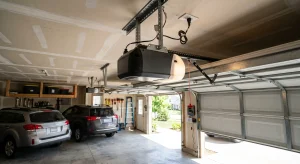
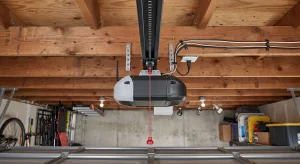
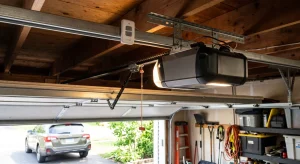
- Motor unit that physically drives the garage door open and closed.
- A companion app like MyQ that brings all smart features into one place.
To understand what happens when these components fail and how to restore the system, read our guide on How to Reset Smart Garage Door Openers, which covers the most effective steps homeowners can take before calling a technician.
Signs a Smart Garage Door Opener Is Failing
Early signs of failure are easy to miss, but they almost always show up before a smart garage door opener stops working completely.
Here are the most common signs to watch out for:
- Grinding, rattling, or humming sounds that were not there before.
- The door stops midway, reverses without reason, or does not respond to commands.
- The app shows the wrong door status or loses connection without explanation.
- Inconsistent response to the app, remote control, or voice commands.
- Visible wear on the tracks, rollers, or cables that affects how the door moves.
Noticing these signs early gives homeowners a real advantage in avoiding garage door emergencies that require immediate professional attention.
Common Reasons Smart Garage Door Openers Fail
Smart Hub and Connectivity Issues
Connectivity problems start small but can make a smart garage door opener completely unresponsive over time.
Watch for these connectivity-related failure points:
- Weak Wi-Fi signal from a distance or thick walls blocking the network.
- Server outages from manufacturers like MyQ or Aladdin Connect trigger app glitches.
- Dead or misaligned door-sensor batteries affect door-status detection.
- Opener assigned to the wrong network band due to router compatibility issues.
- Outdated firmware that breaks compatibility with the smartphone app
Connectivity issues affect every smart feature the opener relies on, and a dropping connection means inconsistent performance across the board.
Physical and Mechanical Failures
Mechanical wear is one of the most overlooked reasons smart garage door openers stop working, and no app fix addresses a hardware problem.
Look out for these mechanical failure points:
- Tripped breakers, loose cords, or GFCI trips cutting power to the opener.
- Snapped springs prevent the motor from lifting the door’s full weight.
- Stripped drive gears cause the motor to run while the door stays still.
- Worn belt or chain causing slipping, noise, or incomplete cycles.
- Motor burnout from repeated operation against damaged hardware.
Mechanical failures strain every connected component, and running the opener against a damaged part accelerates wear across the entire system.
Safety Sensor Malfunctions
Safety sensors are required on all automatic garage doors, and even minor interference with their operation can make the system unpredictable.
Common sensor-related failure causes include:
- Misaligned brackets break the beam path and prevent the door from closing.
- Dust, dirt, or spider webs coat the lenses and interrupt the signal.
- Direct sunlight hits the sensor lens, mimicking an obstruction.
- Frayed or disconnected wiring cuts off communication with the opener.
- Aging sensors that have degraded past their operating threshold.
Sensor faults are deceptive because the opener appears functional right until the door refuses to close.
Hardware and Signal Interference
Signal interference from outside the garage door system can cause the opener to appear to malfunction for no obvious reason.
Sources of hardware and signal interference include:
- Radio-frequency disruption from nearby electronics, cameras, baby monitors, or LED bulbs.
- Depleted remote batteries lead to inconsistent opener response.
- Neighboring devices operating on overlapping frequencies.
- Power surges or faulty wiring can damage the circuit board.
- Incompatible smart devices conflict with the opener’s communication protocol.
Interference is worth investigating thoroughly because the source is rarely obvious, and ruling out external factors is key to an accurate diagnosis.
How to Troubleshoot a Failing Smart Garage Door Opener
Basic troubleshooting can rule out simple causes and give a technician useful information when a smart garage door opener stops responding.
Here are the key areas to check:
- Check the power outlet, circuit breaker, and GFCI trips to confirm the opener is receiving power.
- Inspect both safety sensors for misalignment, dirty lenses, or damaged wiring.
- Restart the router and reconnect the opener to the correct 2.4GHz network band.
- Update the smartphone app and opener firmware, then power cycle the unit after.
- Re-link smart home integrations like Google Home or Amazon Alexa after any firmware update.
Troubleshooting these areas first helps narrow down whether the problem is electrical, mechanical, or connectivity-related before a technician gets involved.
Why Garage Door Opener Failures Need Professional Attention
Garage door opener failures involve components that carry real physical and electrical risks when handled without proper training.
Here are the situations that require professional attention:
- Broken garage door springs or snapped cables that store dangerous mechanical tension.
- Stripped gears or a failed drive system require specialized tools and parts.
- A door off its tracks that cannot be forced back without risking further damage.
- A burning smell from the motor indicates overheating or complete motor failure.
- Circuit board damage from power surges requires professional diagnostic tools.
To weigh the options after a confirmed failure, read our guide on Smart Garage Door Opener Repair: DIY or Hire a Pro, which breaks down the key factors homeowners need to consider before making that call.
Cost of Repairing a Failed Smart Garage Door Opener
Repair costs vary depending on the component involved and whether a full smart garage door opener replacement makes more practical sense.
Here are the key factors that affect the overall cost of repair:
- The type of component that failed since mechanical parts cost more than electrical ones.
- Age of the opener, since older units are harder to source parts for.
- The number of worn components since multiple failures costs significantly more than one.
- Brand and model, since proprietary parts are priced higher than standard ones.
- The complexity of the garage door repair increases with more involved work, so labor costs rise.
Knowing these factors helps homeowners in Niles, IL, decide whether to fix the existing system or invest in a new one.
How to Prevent Smart Garage Door Opener Failures
Prevention is far less costly than repair, and a few consistent habits can significantly extend the life of a smart garage door opener.
Here are the most effective ways to prevent opener failures:
- Properly lubricate rollers, hinges, and springs every six months to reduce friction and wear.
- Inspect and clean safety sensor lenses monthly to maintain a clear beam path.
- Test the auto-reverse feature regularly to confirm the safety system is working.
- Keep the Wi-Fi connection stable by using an extender if the garage is far from the router.
- Schedule a professional maintenance check at least once a year to catch developing issues early.
To get a complete breakdown of everything involved in keeping a smart garage door opener in top condition, read our guide on How to Maintain Smart Garage Door Openers, which covers the full maintenance routine every homeowner should follow.
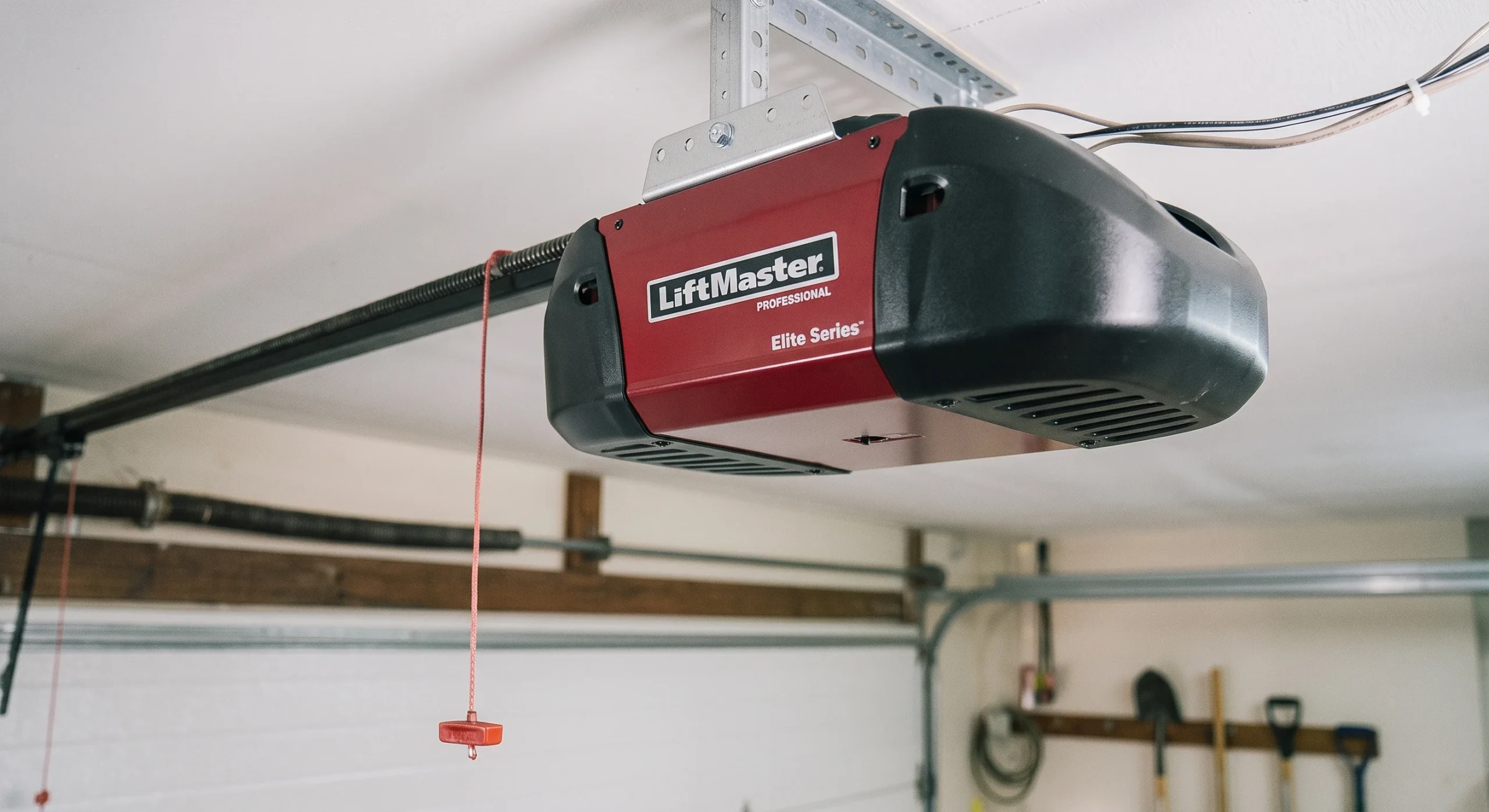
Fix Smart Garage Door Opener Problems Before They Take Over
Understanding what causes smart garage door openers to fail gives homeowners the knowledge to act quickly and make informed decisions about their system. Addressing the root causes early, from connectivity issues to mechanical wear, keeps the opener performing the way it was designed to for years to come.
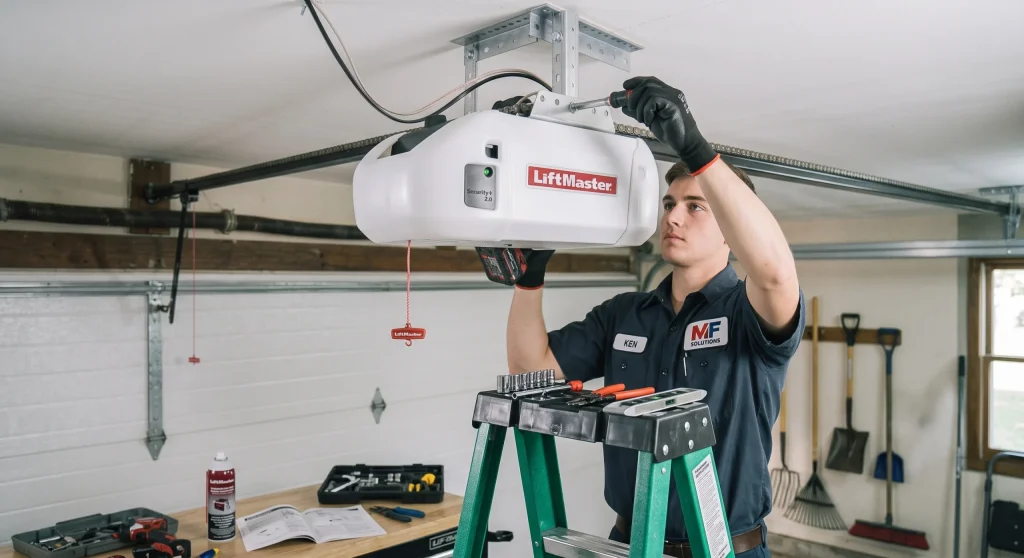
MF Solutions is a trusted garage door repair company serving homeowners in Niles, IL, and the surrounding areas. We handle everything from sensor replacements and connectivity issues to full smart garage door opener installations, so contact us or give us a call to let our team assess your system’s needs today.
Frequently Asked Questions
Which smart garage door opener is considered the best for 2026?
Chamberlain myQ-powered openers consistently rank among the top choices for 2026 due to their broad compatibility and seamless smart home integration. LiftMaster and Genie also offer highly rated models with advanced security features and strong support for smart home ecosystems.
How does a smart garage door opener work compared to a traditional one?
What does a smart garage door opener do that a traditional one cannot? It connects to your home Wi-Fi and allows full control through a smartphone app, voice control, and home automation systems. Traditional openers respond only to a remote control or wall button, with no monitoring or alerts.
What security features should I look for in a smart garage door opener?
Look for rolling code technology, two-factor authentication, activity logs, and instant alerts for unauthorized access. Integration with security cameras and home security systems adds an additional layer of protection.
Are there any common drawbacks to using smart garage door openers?
Yes, the cons of smart garage door openers include dependence on a stable Wi-Fi connection and vulnerability to app or server outages. Some models also require an additional smart controller to enable smart features, which adds to the overall cost.
Can I retrofit my existing garage door with a smart garage door opener controller?
Yes, many manufacturers offer add-on smart controllers that work with existing openers, but compatibility varies by brand and model. A professional can assess whether a retrofit is possible or whether a new system is the better option.
What are the key features to compare when choosing a smart garage door opener?
Compare motor power, drive type, smart home platform compatibility, app functionality, and battery backup availability. Also consider whether the opener supports seamless integration with the platforms already in use at home.
Are smart garage door openers safe for home use?
Yes, are smart garage door openers safe? Absolutely, modern units come equipped with auto-reverse technology, rolling code encryption, and real-time alerts, making them more secure than traditional openers. Regular maintenance and professional installation further ensure safe and reliable operation.
Are smart garage door openers compatible with smart home systems like Alexa or Google Home?
Yes, most modern smart garage door openers are compatible with Amazon Alexa, Google Home, Apple HomeKit, and Samsung SmartThings. Always check product specifications before purchasing to confirm compatibility with the platforms currently in use.
What brands are most popular for smart garage door openers in 2026?
Chamberlain, LiftMaster, Genie, Craftsman, and Ryobi are among the most popular brands for smart garage door openers in 2026. Each brand offers a range of models with varying smart features, drive types, and price points to fit different budgets.