
Garage doors are built in standard sizes, but not every home, vehicle, or architectural design fits neatly into those dimensions. The question of whether you can customize the garage door panel height comes up more often than people expect, especially in homes where older openings and newer vehicles simply do not match up.
Customization is possible, but it goes well beyond simply picking a new size and placing an order with a supplier. The structure of the opening, the type of door, the track system, and local building codes all play a role in determining what can actually be done, what it will cost, and who should be handling the work.
What Does “Custom” Really Mean for Garage Door Panel Sizes?
Custom sizing means ordering garage door panels that fall outside the pre-set dimensions most manufacturers produce for general residential use, and it covers more ground than most homeowners initially expect.
Here is what typically falls under the custom category:
- Most manufacturers offer panels in heights taller or shorter than standard increments.
- Openings that do not match any standard off-the-shelf garage door sizes.
- Doors scaled to match older homes or specific architectural styles.
- Configurations requiring even panel distribution across a non-standard total door height.
- Panels ordered to replace discontinued models no longer in production.
To understand the baseline before exploring what goes beyond it, read our guide on Standard Garage Door Panel Height: How Tall Is It?, which covers the key specifications every homeowner should know before any customization decision.
Understanding Standard Garage Door Panel Height Before You Customize

Knowing the standard garage door panel height gives you a clear reference point before deciding whether customization is actually necessary for your situation.
| Door Height | Panel Height Per Section | Number of Panels | Common Use |
| 6 ft | 18 inches | 4 panels | Older homes |
| 7 ft | 21 inches | 4 panels | Most suburban homes |
| 8 ft | 24 inches | 4 panels | Modern residential |
| 9 ft | 21-24 inches | 4-5 panels | Taller vehicles |
| 10 ft | 24 inches | 5 panels | Commercial properties |
Once your needs go beyond these standard ranges, customization becomes the only path to a proper fit and helps avoid unnecessary garage door repair down the line.
Key Factors That Influence Custom Garage Door Panel Height
Vehicle Clearance Needs
Taller vehicles, roof racks, and oversized vehicles like RVs require door heights that go well beyond standard residential sizing.
Keep these clearance issues in mind:
- Roof racks and cargo carriers add several inches to the total vehicle height.
- RVs and boats on trailers often need doors that are 10 feet or taller.
- Lift kits on trucks can push the total height beyond what a standard door allows.
- Full-size vans with high rooflines consistently exceed standard 7-foot door heights.
- Future vehicle purchases should factor into the decision about custom door height from the start.
Measuring the tallest point of your vehicle before ordering any custom panel ensures the new door height fits your actual clearance needs.
Structural Constraints and Permits
Raising door height often requires modifying the structural header and pulling permits under local building codes.
Look out for these structural concerns:
- The header above the opening may need to be raised by a licensed contractor.
- Local municipalities regulate how much a structural opening can be modified.
- Unpermitted structural work can create problems during a future home sale.
- Load-bearing walls near the garage may require an assessment by a structural engineer.
- Municipal planning permission may be required depending on the scope of the modification.
Confirming what local building codes require before starting any structural work keeps your project fully compliant and on schedule.
Headroom and Tracking
Ceiling height must accommodate the garage door track, and taller doors may require a high-lift track conversion.
Pay attention to these headroom limitations:
- Standard track systems need at least 10 to 12 inches of headroom above the opening.
- High-lift systems allow the door to travel higher before curving toward the ceiling.
- Opener repositioning is often necessary when the door height increases.
- Taller panels require a larger radius on the curved track section.
- Low-ceiling garages may not support standard track configurations after a height increase.
Verifying available headroom before placing a custom order determines whether your existing track system can support the new configuration.
Door Type
Sectional doors offer the most flexibility in customization, while one-piece tilt doors are limited by their overall design.
Note these door type restrictions:
- Most manufacturers can customize sectional doors in two-inch increments.
- One-piece tilt doors require full replacement when any height change is needed.
- Roll-up doors are constrained by ceiling height and available drum size.
- Carriage-style doors offer the same level of customization as sectional doors.
- Commercial roll-up doors depend on both the drum size and the ceiling height for any modifications.
To see how each door type handles height differences across specific configurations, read our guide on Do Garage Door Panel Heights Vary by Door Type?, which covers what every homeowner should know before pursuing customization.
Architectural Style
Custom panels allow older homes and modern builds to achieve proportional scale and visual consistency across the facade.
Consider these design factors:
- Older homes often have openings that are not standard garage door sizes.
- Modern builds need taller or wider panels to match specific architectural intent.
- Carriage-style panels can be ordered in custom sizes for a historically accurate look.
- Wide doors in larger homes benefit from custom configurations to maintain visual balance.
- Material and finish can be tailored to complement the overall exterior design.
Working with a professional who understands both structural and aesthetic requirements produces the best result for any style-driven customization.
Cost Considerations
Custom garage door panels involve more variables than standard options, and the average cost may depend on panel size, material, and the scope of structural work.
Factor in these cost variables:
- Non-standard manufacturing increases the cost of custom panel production.
- Structural modifications and high-lift tracks add significantly to the investment.
- Oversized panels often require special freight shipping.
- Custom installation labor costs more than standard replacements.
- Permit fees for structural modifications vary by municipality.
Getting a detailed written estimate from a local professional before committing to any custom order gives you an accurate picture of the full investment involved.
What to Check Before Going Custom With Your Garage Door Panel
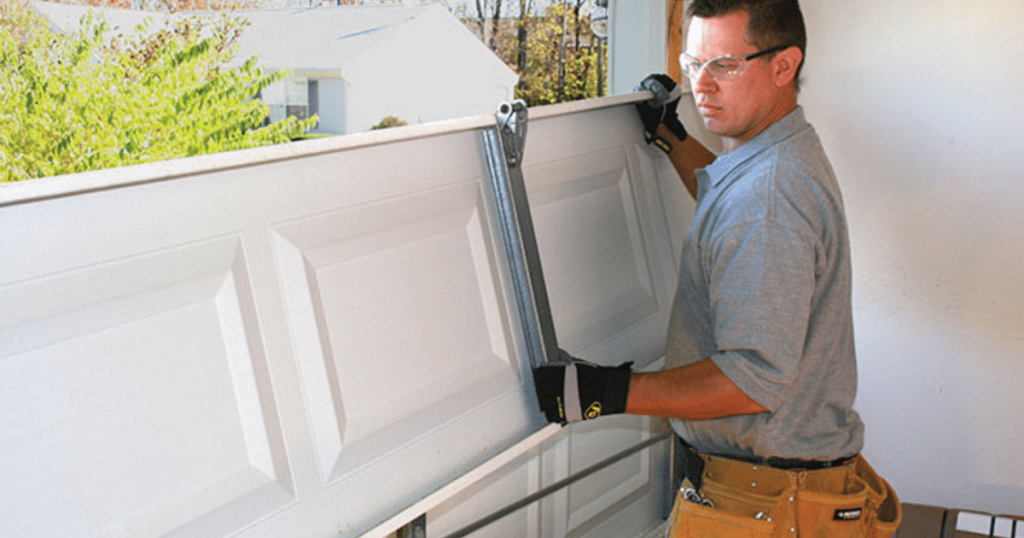
Skipping the preparation stage is one of the most common reasons custom garage door panel projects run into problems after the order is already placed.
Here is what to check before going custom:
- Measure the rough opening height, width, and headroom beforehand.
- Confirm your existing track can support a taller or heavier panel.
- Check if your spring system needs adjustment for a new panel size.
- Verify local building code requirements before any structural modification.
- Inspect hardware, rollers, and hinges for anything that needs replacing.
- Identify your panel brand and model to confirm custom matching is possible.
Reviewing all of these details before placing any order ensures your custom garage door panel fits correctly and works with your existing system from day one.
Yes, You Can Customize Your Garage Door Panel Height — Here’s How
Identifying Your Customization Goal
Every successful custom garage door project starts with a clear understanding of what the opening actually needs to accomplish.
Here are the most common customization goals homeowners identify:
- Increasing height to fit taller vehicles that exceed standard door clearance.
- Lowering the height to correct a poorly fitted door or match a specific proportion.
- Even panel distribution across a non-standard total door height for a cleaner look.
- Matching a discontinued panel model no longer available through standard suppliers.
- Upgrading the full door system to a custom size that fits the home’s current use.
Defining your goal before contacting any supplier gives the project a clear direction and prevents unnecessary back-and-forth during the ordering process.
Methods for Customizing Your Garage Door Panel Height
Several proven methods exist for customizing the height of garage door panels, and the right one depends on the scope of the change.
| Method | Best For | Key Consideration |
| Order Custom Panels | New or full replacements | Available in two-inch increments from most manufacturers |
| Height Extension Kits | Minor height increases | Not compatible with all door systems |
| Professional Panel Modification | Adjustments of three inches or less | Requires aluminum retainers and precise trimming |
| Full Door System Replacement | Significant height changes | Includes new tracks, springs, and opener setup |
| High-Lift Track Conversion | Garages with limited ceiling clearance | Requires specialized track hardware and professional installation |
Matching the method to the scope of your project ensures the customization works correctly within your existing garage door system.
Essential Technical Considerations Before You Start
Custom panel height changes affect every connected component in the garage door system, not just the panels themselves.
Take note of these technical requirements:
- A spring adjustment or replacement is required when the door height or weight changes.
- Vertical tracks must be taller and have a larger radius in the curved section.
- Accurate measurements must be verified before submitting any custom order.
- Headroom requirements increase with door height and must be confirmed first.
- Opener repositioning is necessary when the J-arm no longer aligns correctly.
Every technical component must be assessed and accounted for before any modification work begins.
When to Call a Professional for Custom Garage Door Panel Work
Certain customization scenarios go beyond what any homeowner should attempt without a trained professional’s involvement.
Professional help is necessary in these situations:
- Door heights exceeding 8 feet require structural and mechanical expertise.
- Spring replacement requires a trained technician due to the extreme tension.
- Track modifications require precision tools and experience to execute.
- Permit-required structural work must be done by a licensed contractor.
- Full system replacements require coordinated professional installation.
Knowing when to bring in a professional keeps the project on track and ensures every component is installed to the correct specification.
How Custom Garage Door Panel Height Affects Replacement
Going beyond standard sizing means that every future garage door panel replacement will require more planning and closer coordination with your supplier.
Here is how custom panel height affects the replacement process:
- Custom panels are made to order, which means longer lead times than standard options.
- Matching a custom panel requires the exact brand, model, and production specs.
- Track and spring adjustments are often necessary when replacing a custom panel.
- Labor costs are typically higher due to the additional work involved.
- Discontinued custom models may require a full door replacement if no match is found.
To get a complete picture of how panel height shapes the replacement process, read our guide on How Does Garage Door Panel Height Affect Replacement?, which walks through what homeowners need to know before any replacement decision.
How Professionals Handle Custom Garage Door Panel Height Adjustments
Professional technicians follow a structured process to ensure every component works correctly after a custom garage door panel height adjustment.
Here is how professionals handle the adjustment process:
- Full door system assessment comes before any custom panel recommendation.
- Existing tracks, springs, and hardware are inspected and upgraded where needed.
- Precise measurements are verified before any custom order is submitted.
- Panels are installed one section at a time and checked for level and alignment.
- Springs are recalibrated to match the new door height and weight.
- Garage door opener operation is tested and repositioned after installation.
Hiring a trained professional for custom garage door panel work ensures the job is done to the correct specification the first time.
Get Your Garage Door Panel Height Customized the Right Way Today
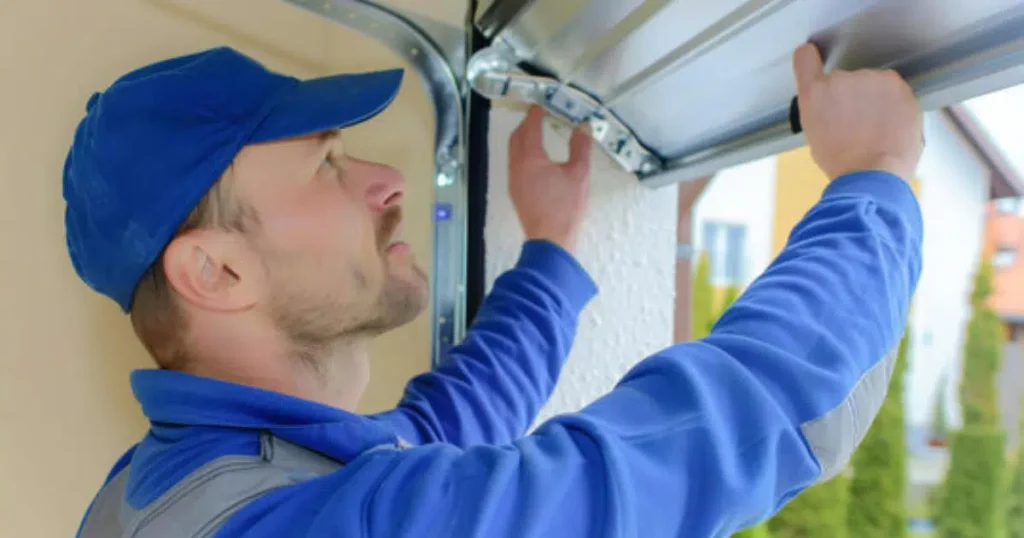
Customizing your garage door panel height is absolutely possible, but every part of the process requires accurate measurements, the right materials, and professional execution. Getting the details wrong at any stage means the panels will not fit and the system will not function correctly.
MF Solutions has helped homeowners in Niles, IL, get the right fit for their custom garage door panel needs, backed by the experience and local knowledge the job demands. Contact us or give us a call today, and let our team walk you through your custom garage door panel options from measurement to installation.
Frequently Asked Questions
How do I know whether my garage door opening needs a custom-sized panel?
Start by using a tape measure to measure the rough opening height and compare it to common garage door sizes available from local suppliers. If your opening falls outside those standard dimensions, a custom-size garage door panel is likely the only option that will fit correctly.
Does customizing the height of a garage door panel require a permit in Niles, IL?
Yes, structural modifications to the garage opening typically require a permit under local building codes. Always confirm the specific requirements with your local municipality before any work begins.
What is the size of a garage door panel for a custom residential door?
The size of a garage door panel for a custom order depends entirely on the rough opening dimensions and the required total door height. Custom panels are typically produced in 2-inch increments and must be ordered directly from the manufacturer to match your specific opening.
Can a garage door opener handle a taller custom panel configuration?
Yes, but the opener may need to be repositioned or upgraded to handle the additional height and weight. A professional technician should assess the existing opener before any custom garage door installation begins.
How tall is a garage door panel on a custom 10-foot residential door?
How tall is a garage door panel on a 10-foot-tall garage door depends on how many sections the manufacturer uses to build the total height. Most configurations use five panels, each approximately 24 inches, to reach the 10-foot total.
Do custom garage door panels affect how the door balances on the track?
Yes, taller or heavier custom panels change the overall weight distribution of the door system. Spring tension must be recalibrated by a professional to restore a perfect fit and proper balance after any custom panel is installed.
Can changes to custom garage door panel heights affect the side room requirements?
Yes, certain track configurations used for taller doors require additional side room on each side of the opening. A professional assessment will confirm whether your existing garage door dimensions allow for the new configuration without modification.
Is it possible to order custom-sized garage door panels for an older home with a non-standard opening?
Yes, most leading garage door companies can produce custom size garage door panels for openings that fall outside standard measurements. Working with a local specialist is the best way to confirm availability and lead times for your specific opening.
Can the exterior finish of a custom garage door panel be matched to an existing door?
Yes, most manufacturers offer custom panels in a range of finishes, colors, and materials that suit both a single garage door and a double garage door configuration. Matching the finish of an existing door is possible when ordering directly from the original manufacturer or an authorized dealer.