
A garage door panel replacement seems simple until the wrong-height panel is ordered and nothing lines up the way it should. That one measurement affects how the sections fit together, how the springs balance the load, and how the entire door performs after installation.
Panel height is not a minor detail that can be estimated or adjusted after the fact, once the work has already started. This article explains how the height of the garage door panel affects the replacement process, which components are affected, and what to check before any work begins.
Why Does Panel Height Matter Before You Replace a Garage Door?

Panel height is the measurement that determines whether a replacement panel will work with the existing door system or create a chain of problems that affect every connected component.
Here is why garage door panel height matters before any replacement:
- Wrong panel height creates gaps and causes sections to sit unevenly in the frame.
- Mismatched heights throw off the spring balance and place an uneven load on the cables and rollers.
- Incorrect height pulls hardware connection points and tracks out of alignment.
- Panel height controls how well the door seals against the weather when fully closed.
- Non-standard height can conflict with local building codes in Niles, IL.
To understand how panel height standards are established, read our guide on Standard Garage Door Panel Height: How Tall Is It?, which covers the specifications homeowners need before any repair or replacement decision.
Key Impacts of Garage Door Panel Height on Replacement
Structural Integrity and Fit
Every replacement panel must match the existing brand, model, and thickness so sections stack evenly and seal correctly.
Watch for these structural fit issues:
- Different tolerances between panels prevent a flush, even surface.
- A quarter-inch height difference creates visible gaps along the edges of the opening.
- Mismatched thickness stops sections from sealing properly against the weather.
- Forcing an incompatible panel puts uneven stress on the bottom bracket.
- Steel panels and wood panels have different thickness standards across manufacturers.
Confirming height and thickness before ordering prevents alignment and sealing problems after installation.
Counterbalance and Spring Adjustments
Spring calibration is tied directly to door weight, and swapping in a new panel changes that weight in ways the existing setup may not handle.
Here is how panel replacement affects the counterbalance:
- Heavier panels increase the load the torsion spring must lift.
- A lighter panel reduces tension, making the door feel loose.
- Springs not recalibrated after replacement wear unevenly and fail faster.
- An unbalanced door puts extra strain on the opener motor every cycle.
- Torsion spring adjustment requires specialized tools and professional training.
Skipping spring recalibration after a panel weight change puts the entire operating system under unnecessary strain.
Hardware and Tracking Alignment
Rollers, hinges, and cable drums are positioned based on a specific panel height, and changing that height shifts every connection point in the tracking system.
Key hardware alignment concerns include:
- Hinge mounting holes correspond directly to the original panel height.
- Rollers will bind or jump the track if the panel height alters their travel path.
- Cable drums are calibrated to a specific total door height and weight distribution.
- Bottom brackets shift out of position when the panel height does not match.
- Misaligned hardware accelerates wear on rollers, cables, and track edges.
Any variation in the height of the garage door replacement panel must be identified and corrected before installation is complete.
Compatibility Issues With Older Doors
Older doors present a unique challenge because manufacturers discontinue panel lines, making exact matches increasingly difficult to source.
Common compatibility problems with aging panels include:
- Panels from doors built 15 or more years ago are often no longer in production.
- Universal-fit panels rarely match the original height and thickness specifications.
- Slight height or thickness variations between old and new panels disrupt alignment.
- Discontinued insulation layers mean replacement panels may carry a different weight.
- No available match makes full door replacement the more practical path forward.
Verifying part availability with the original manufacturer before committing to a panel replacement is always the recommended first step.
Structural Modifications When Changing Panel Height
Using non-standard panels to alter total door height requires changes to multiple systems beyond just the panels themselves.
Structural modifications triggered by a height change include:
- Track length must match the new total door height.
- Spring systems require a full recalculation based on the new weight and dimensions.
- Opener travel distance shifts when door height changes.
- Ceiling clearance must be re-evaluated to confirm enough room for operation.
- Building codes in Niles, IL, may require permits for modifications to garage door openings.
Structural changes of this scope go beyond a standard garage door repair and require a full professional assessment before any work begins.
What Happens When Garage Door Panel Height Does Not Match?
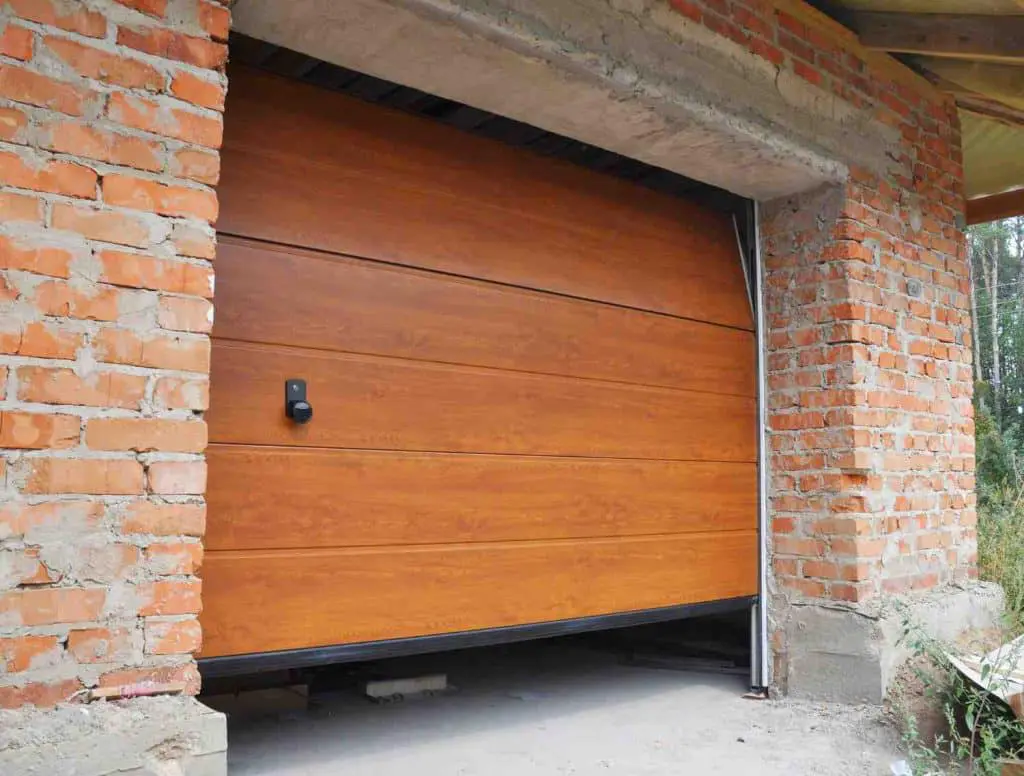
A mismatched garage door panel height does not just affect one section, it triggers a series of problems across the entire door system.
Here is what happens when the panel height does not match:
- Sections fail to stack evenly, creating visible gaps along the frame and edges.
- The spring balance shifts because the door weight is no longer distributed correctly.
- Rollers and hinges get pulled out of position inside the garage door track.
- The garage door cables and bottom brackets experience uneven loads, which accelerate wear.
- A door that cannot close flush loses its weather seal and structural stability.
Getting the panel height wrong from the start creates a ripple effect that impacts every connected component in the system.
Standard Garage Door Panel Sizes and How They Vary by Door Type
Typical Panel Height for Residential Garage Doors
Standard panel height follows a predictable pattern based on total door height and the number of sections used.
| Door Height | Number of Panels | Panel Height Per Section |
| 7 feet | 4 panels | 21 inches |
| 8 feet | 4 panels | 24 inches |
| 8 feet | 5 panels | 18-19 inches |
| 9 feet | 4-5 panels | 21-27 inches |
| 10 feet | 5 panels | 24 inches |
Confirming the total door height and panel count before ordering ensures the replacement section matches the existing installation.
Single vs. Double Garage Door Panel Differences
Single and double garage doors share similar panel heights, but the width of the opening changes how panel weight and alignment are managed across the system.
| Feature | Single Garage Door | Double Garage Door |
| Standard Width | 8 to 9 feet | 16 feet |
| Panel Height | 21 to 24 inches | 21 to 24 inches |
| Number of Panels | 4 sections | 4 sections |
| Weight Per Panel | Lower | Higher |
| Alignment Sensitivity | Standard | Increased |
Wider panels on double doors demand closer attention to weight distribution and spring calibration during replacement.
Sectional, Roll-Up, and Carriage Style Variations
Door style determines how panel height is structured, and knowing the difference prevents ordering the wrong replacement section.
| Door Style | Panel Structure | Typical Use | Custom Sizing |
| Sectional | Stacked horizontal panels | Residential | Available |
| Roll-Up | Continuous curtain | Commercial | Common |
| Carriage Style | Sectional with decorative finish | Residential | Available |
| Commercial Sectional | Taller stacked panels | Commercial properties | Standard |
| Custom Residential | Non-standard panel heights | Older or specialty homes | Required |
To see how panel heights vary by door type, read our guide on Do Garage Door Panel Heights Vary by Door Type?, which covers the configurations homeowners need before making a replacement decision.
Key Considerations When Choosing the Right Replacement Panel
Choosing the right replacement panel requires more than matching the look of the existing door sections.
Here is what to evaluate before making a replacement decision:
- Match the exact brand, model, and thickness to the existing panels on the door.
- Check manufacturer availability for older doors before committing to a panel replacement.
- Confirm that the garage door panel height aligns with the current section configuration.
- Factor in insulation level, as mismatched insulation affects both weight and thermal performance.
- Average cost may depend on panel material, size, availability, and the labor involved.
Getting these details verified upfront ensures the replacement panel fits correctly and performs as the door was originally designed to.
How Professionals Handle Garage Door Panel Replacement
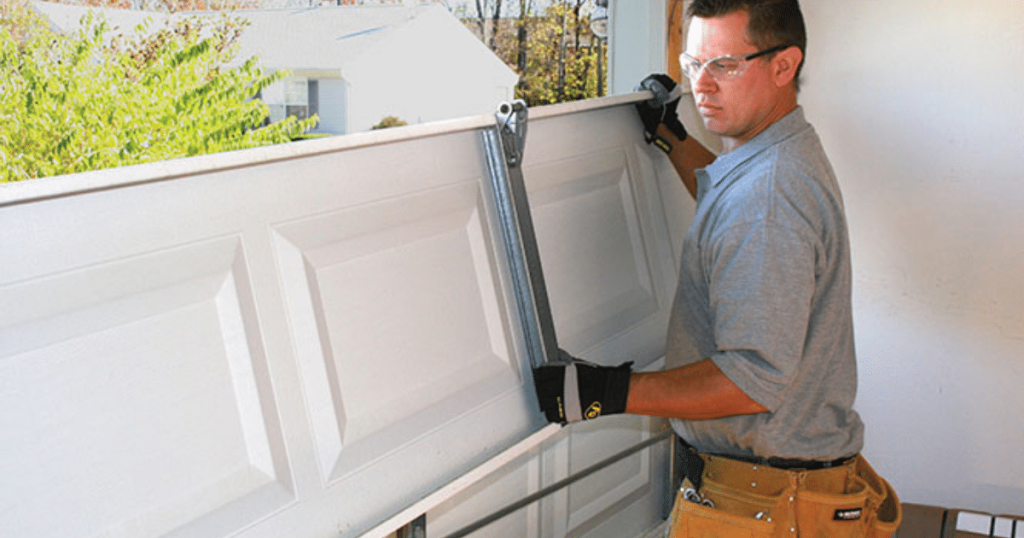
A trained technician follows a structured process to make sure every component works correctly after a garage door panel replacement is complete.
Here is what professionals do during a panel replacement:
- Inspect the full door system before removing or installing any panel.
- Use a tape measure to record exact panel height, width, and thickness.
- Check the garage door track, springs, cables, and hardware for existing wear.
- Install the replacement panel and verify alignment across all sections.
- Recalibrate the spring system to match the updated door weight after installation.
- Test the door through multiple full cycles to confirm smooth and even operation.
Every step in the process is designed to ensure the replacement panel integrates correctly with the existing system from the first cycle onward.
Maintaining Your Garage Door After Panel Replacement
Regular maintenance after a garage door panel replacement keeps every component performing the way it should for years to come.
Here is what to do after a panel replacement:
- Inspect panels monthly for dents, cracks, or sections that appear out of alignment.
- Test the door balance every few months by manually lifting it to the halfway point.
- Lubricate rollers, hinges, and tracks every six months using a garage door-specific lubricant.
- Check weatherstripping along the bottom and sides for damage or gaps.
- Watch for grinding, shaking, or uneven movement during operation and address it promptly.
To explore whether non-standard sizing options are worth considering for your setup, read our guide on Can You Customize Your Garage Door Panel Height?, which covers what homeowners need to know before making any sizing changes.
Get the Panel Height Right and Keep Your Garage Door Replacement on Track
Every detail covered in this guide points to the same answer: panel height is not a measurement to guess, overlook, or assume will work itself out after installation. Getting it right from the start determines how well the entire door system fits, functions, and holds up over time.
MF Solutions has been helping homeowners in Niles, IL, with accurate, professional garage door panel replacement that gets the job done the first time correctly. Contact us or give us a call today, and let one of our experienced technicians assess your door, confirm the correct panel specifications, and handle the replacement properly.
Frequently Asked Questions
Can a garage door opener be reused after a panel replacement involving a height change?
Yes, but only if the travel distance and force settings are recalibrated to match the updated configuration. A change in garage door height means the opener must be readjusted, or it will stop short or overextend on every cycle.
How tall is a garage door panel on a non-standard residential door?
Non-standard doors often use panels outside the typical 21 to 24 inch range. Knowing how tall is a garage door panel on your specific door prevents ordering errors, especially in older homes where garage door dimensions do not follow standard sizes.
Does panel height affect how the bottom seal sits against the floor?
Yes, it does. A panel that is too short leaves a gap that allows debris and moisture to enter. Precise measurements of the rough opening from the floor to the top of the opening ensure the bottom seal sits flush.
What is the size of a garage door panel for a 9-foot residential door?
The size of a garage door panel for a 9-foot door typically ranges from 21 to 27 inches per section, depending on the number of panels used. Confirming the exact garage door dimensions with the manufacturer ensures a perfect fit for the opening.
Are custom-sized garage door panels harder to install than standard ones?
Yes, they are. Custom size garage door panels require track adjustments, spring recalculations, and hardware repositioning that a standard-sized panel does not. A custom garage door of this type always requires professional installation.
Does panel height affect how the garage door looks from the outside?
Yes, it does. Mismatched panel heights create uneven horizontal lines visible from the street, especially on wide doors in suburban homes. Consistent panel height keeps the door looking uniform regardless of the type of garage door installed.
Can panel height differences cause a garage door to become noisy during operation?
Yes, they can. Panels that do not match in height create friction, producing grinding or rattling sounds during movement. Garage door companies typically identify panel height inconsistencies as the first thing to check after a noisy replacement.
How does panel height interact with the headroom space above the garage door opening?
A tall garage door with large panels requires more ceiling height than most common garage door sizes allow. Taller vehicles, small trucks, and everyday vehicles with roof racks may need a tall door, but the available ceiling height must be confirmed before any new door installation begins.
Does replacing a panel with a different height void the original door configuration?
Yes, it does. A different panel height throws off the standard garage door height calibration built for the original door. Whether the goal involves storage needs, accommodating vehicle size, or restoration, a full reassessment of the most common garage door sizes is always required.