
Garage door panels are not all built to the same height, and the type of door installed is the biggest reason why measurements differ from one setup to the next. The panel configuration that works for a sectional door will not apply to a roller door, a tilt-up door, or a commercial overhead door.
Each door type follows its own design logic, and that design directly determines how tall each panel section needs to be. This guide breaks down how panel height varies by door type so homeowners are better prepared when it’s time to assess a repair, order a replacement, or plan a new installation.
What Is a Garage Door Panel and Why Does Its Height Matter?
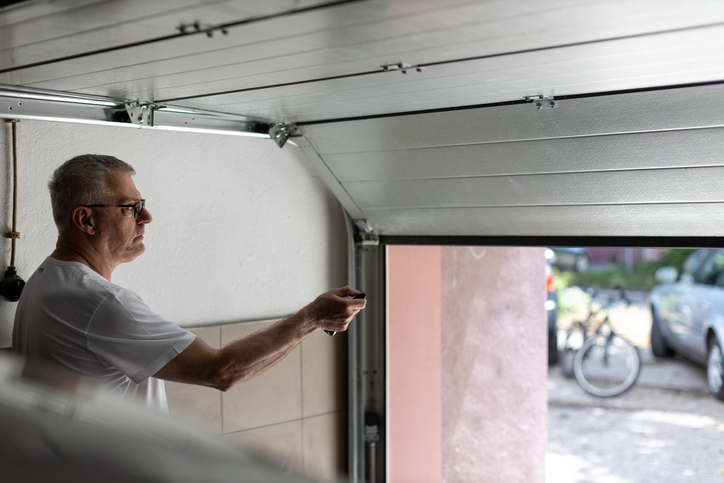
A garage door panel is one horizontal section of a full door where multiple panels are stacked and hinged together, connecting to the track, springs, and hardware to make the entire system work as one unit.
Here is why garage door panel height matters:
- Wrong panel height causes gaps, binding, and uneven stress on the door system.
- Mismatched height during replacement throws off balance and track alignment.
- Incorrect height puts constant strain on springs, cables, and rollers over time.
- Panel height determines how well the door seals at the edges of the opening.
- Non-standard height can lead to local building code violations.
To understand how sizing standards are established, read our guide on Standard Garage Door Panel Height: How Tall Is It?, which covers what homeowners need to know before any repair or replacement.
Standard Garage Door Panel Sizes You Should Know
Knowing the standard garage door panel sizes used across residential and commercial doors makes it easier to identify the correct configuration for any opening.
| Panel Height | Common Use | Typical Door Height | Number of Panels |
| 18 inches | Specialty and commercial builds | 9 feet and above | 5 or more |
| 21 inches | Standard residential doors | 7 feet | 4 panels |
| 24 inches | Modern residential doors | 8 feet | 4 panels |
| 28 to 32 inches | Custom and oversized openings | 10 feet and above | 3 to 4 panels |
These standard sizes serve as the baseline for any garage door repair, replacement, or new installation, and anything outside these measurements requires a custom order.
How Garage Door Panel Height Varies by Door Type
Sectional Panel Doors
Sectional doors are the most widely used type in residential properties, and panel height follows a predictable structure based on total door height.
Common panel configurations in sectional doors include:
- Four 21-inch panels are standard for a 7-foot sectional door.
- Eight-foot doors use four 24-inch panels or a mix of 18-inch and 21-inch sections.
- Custom panels can be ordered in 28-inch or 32-inch heights for non-standard openings.
- Each section hinges to the next, allowing the door to bend along the track.
- Panel height directly affects the track radius required for smooth operation.
Sectional panel heights vary with the total door height, so confirming the correct configuration before ordering prevents alignment issues.
Roller Doors
Roller doors operate on a completely different mechanism, and their build explains why traditional panel height measurements do not apply.
Key characteristics of roller door construction include:
- Narrow metal slats replace wide panels, with each slat measuring 2 to 4 inches tall.
- All slats roll into a compact barrel positioned above the opening.
- Headroom requirements range from 350 to 450mm to accommodate the barrel.
- No hinged sections exist, eliminating the need for a curved track system.
- Popular in commercial properties where space efficiency is a priority.
Roller doors follow a different build logic from sectional systems, and that distinction matters when assessing whether a panel swap or full door change is appropriate.
Tilt-Up Doors
Tilt-up doors are constructed as one solid piece, and that single-panel design sets them apart in how height is measured and managed.
Notable features of tilt-up door construction include:
- One solid panel covers the entire opening, making the panel height equal to the total door height.
- Common in older homes where a clean, uninterrupted exterior look is preferred.
- No individual sections exist, so adjusting height means replacing the entire door.
- Outward swing clearance in front of the garage is required before the door tilts upward.
- Hardware options are more limited compared to sectional doors.
Tilt-up doors require a separate approach when measuring for repairs, and any height adjustment requires addressing the entire door rather than a single section.
Commercial Garage Doors
Commercial garage doors are engineered for heavy-duty use, and their panel height reflects the larger openings and structural demands of commercial properties.
What sets commercial door panel configurations apart:
- Panel heights exceed standard residential measurements for openings reaching 14 feet or higher.
- Heavier materials and reinforced frames handle increased structural loads.
- Vehicle size and equipment type determine the panel height specification.
- Panel customization is standard practice to meet local building codes.
Working with a qualified technician ensures the configuration meets both structural and code requirements.
Factors That Influence Garage Door Panel Height
Several factors work together to determine what panel height will fit a specific garage door opening correctly.
Here is what influences garage door panel height:
- Opening height determines how many panels are needed and what size each section should be.
- Non-standard openings require a custom-sized panel to properly fill the gap.
- Track radius must match the panel size for smooth door travel.
- Bottom panel variance adds slight height due to the retainer and rubber seal at the base.
- Headroom constraints limit which panel sizes and track systems can be used.
- Local building codes may dictate minimum or maximum door height requirements.
These factors directly affect panel height selection, and ignoring any of them results in a door that does not fit, seal, or operate correctly.
How to Identify Your Door Type and Its Panel Height
Identifying your door type and its panel height requires simple observations and accurate measurements before any repair or replacement decision.
Here is how to identify your door type and its panel height:
- Count the horizontal sections to determine how many panels the door has.
- Watch how the door moves to distinguish between sectional, tilt-up, and roller types.
- Check for hinges between sections to confirm a sectional door configuration.
- Measure each individual panel from the bottom edge to the top edge using a tape measure.
- Look for a manufacturer’s label on the top panel or door frame for exact specifications.
- Contact the manufacturer with the serial number if the label is missing.
Gathering accurate measurements and confirming the door type first prevents ordering errors during any garage door panel replacement.
What Happens When Panel Height Is Wrong for Your Door Type
Wrong panel height creates a chain of problems that affect how the door fits, moves, and holds up over time.
Here is what happens when the panel height does not match the door type:
- The door binds or sticks because the panels are not bending at the correct angles.
- Opener strains or stops due to resistance from misaligned sections.
- Gaps at the edges allow air, moisture, and pests into the garage.
- Panels warp or bow under uneven pressure from a mismatched configuration.
- Hinges and rollers wear out faster from improper panel sizing.
- Track bends or pulls away from the wall under repeated strain.
To confirm how these problems carry over into your replacement options, read our guide on How Does Garage Door Panel Height Affect Replacement?, which walks through what homeowners need to know before ordering any new section or full door.
What to Do If the Garage Door Panel Height Is Incorrect
Addressing an incorrect garage door panel height starts with a few key checks before involving a professional.
Here is what to do if the garage door panel height is incorrect:
- Compare the installed panel height against the standard configuration for your door type.
- Measure each panel individually to identify which section is the wrong size.
- Check the manufacturer’s label for the original panel height specifications.
- Assess whether one panel or multiple sections are affected before deciding on a repair path.
- Stop operating the door if it is binding, straining the opener, or sitting off track.
- Contact a professional if matching replacement panels cannot be sourced independently.
Taking these steps early gives a clearer picture of the problem and helps avoid unnecessary repairs down the line.
How Pros Correct the Garage Door Panel Height
Professional technicians follow a structured process to diagnose and correct panel height issues across all door types.
Here is how pros correct the garage door panel height:
- Rough opening dimensions are checked to confirm the correct door size for the space.
- Manufacturer labels or serial numbers verify the correct panel height specification.
- Track, springs, and rollers are inspected for damage from mismatched panels.
- The repair scope determines whether a single-panel swap or full replacement is needed.
- Correct panels are sourced based on precise measurements for proper fit.
To explore options when standard panels no longer fit your door type, read our guide on Can You Customize Your Garage Door Panel Height?, which covers what homeowners need to know before pursuing any non-standard panel solution.
Match the Right Garage Door Panel Height to Your Door Type
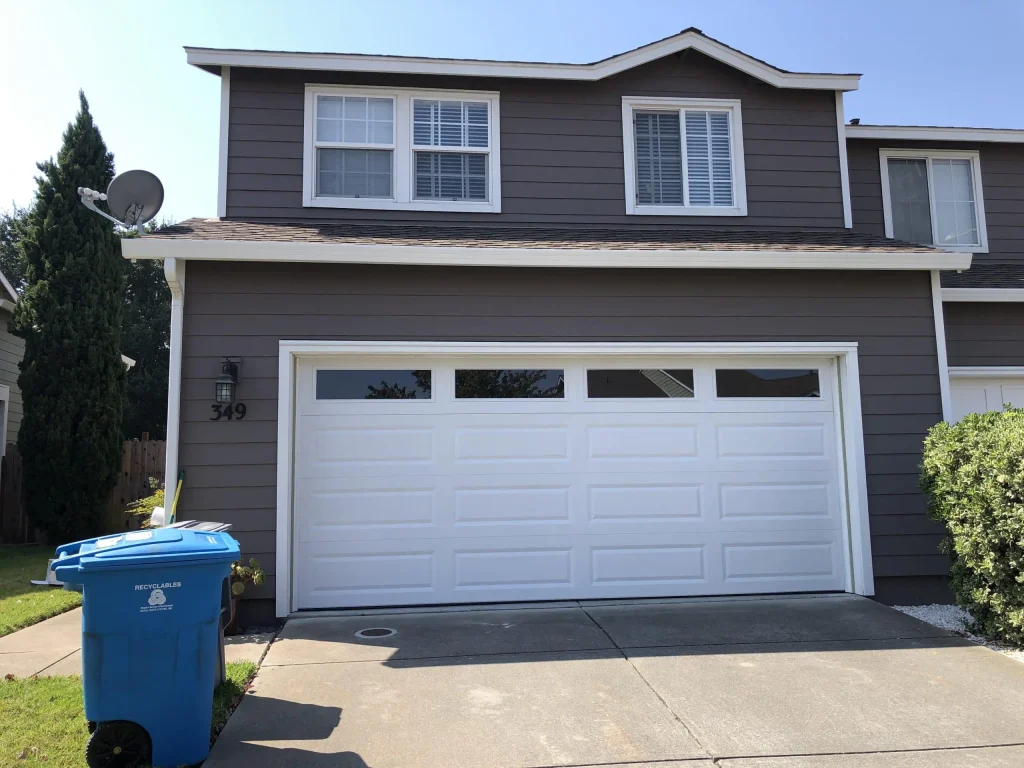
Each door type has its own panel height configuration, and using the wrong measurements results in a door that does not fit, operate, or hold up the way it should. Sectional, roller, tilt-up, and commercial doors each have distinct panel specifications that directly affect installation, repair, and replacement outcomes.
MF Solutions has been helping homeowners across Niles, IL, identify the correct garage door panel height for their specific door type and get the job done right the first time. Contact us or give us a call today, and let our technicians handle the assessment so your door fits, seals, and operates exactly the way it should.
Frequently Asked Questions
Does the height of a garage door opening affect how panels are configured?
Yes, the height of your garage door opening is the primary factor that determines panel configuration. Taller openings require either more panels or taller individual sections to fill the space correctly.
How tall is a garage door panel in a standard residential setup?
The most common answer to how tall is a garage door panel in residential garage doors is 21 inches per section. Most standard 7-foot doors use four of these sections stacked together to reach the full door height.
Do sectional doors and tilt-up doors require different types of hardware because of panel height differences?
Yes, sectional doors require hinges, rollers, and a garage door track system to support multiple panels. Tilt-up doors use a simpler pivot hardware system because the entire door moves as a single solid piece.
What is the size of a garage door panel for an 8-foot residential door?
What is the size of a garage door panel for an 8-foot door depends on the configuration used. Most 8-foot doors, among the most common garage door sizes in suburban homes, use four 24-inch panels or a combination of 18-inch and 21-inch sections.
Can panel height differences make two doors of the same total height incompatible?
Yes, two doors with the same total height can use completely different panel configurations. Mixing panels from different configurations causes alignment issues with the garage door track, hinges, and hardware.
Are custom-sized garage door panels harder to source than standard panels?
Yes, custom size garage door panels for a custom garage door take longer to produce and cost more than standard options. Most garage door companies require precise measurements and a longer lead time before custom panels are ready for garage door installation.
Do commercial garage doors always have taller panels than residential doors?
Yes, commercial garage doors are built with taller, more reinforced panels to handle larger openings and heavier structural loads, accommodating oversized vehicles and tall doors. Residential panels found in a standard single garage door or double garage doors are not designed to meet the engineering demands of commercial installations.
Does the number of panels in a garage door affect how much headroom is needed above the opening?
Yes, more panels mean more sections stacking above the opening when the door is fully open. Doors with more panels or taller individual sections require additional ceiling height clearance to operate properly, especially in garages with storage needs above the door system.
Can two different door types be installed in the same garage if the opening height is the same?
Yes, different door types can share the same garage door height, but they will require different hardware, track systems, and installation methods. Each type of garage door follows its own set of specifications, regardless of whether the opening dimensions match.